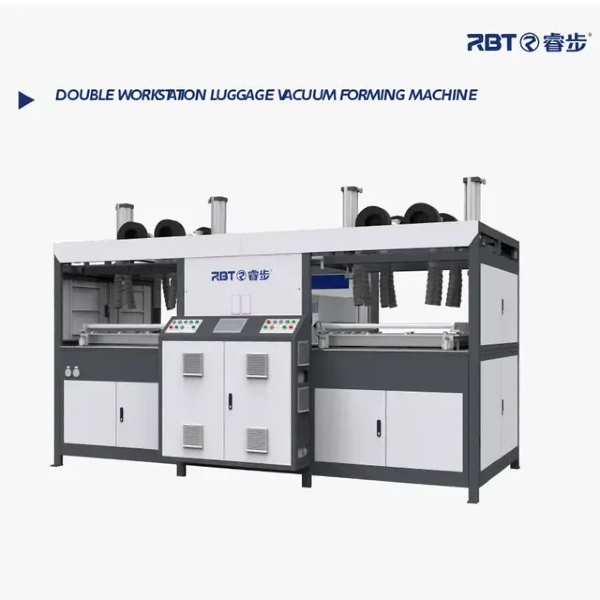
Machine size decisions should begin with the products the market actually moves, not with the biggest specification on a catalog page.
A hard-shell suitcase depends heavily on the sheet that enters forming, which is why Luggage Making begins much earlier than the shell itself. Before a product reaches thermoforming or CNC trimming, the extrusion stage has already shaped much of its final performance.
More axes do not automatically create a better cutting result. In real shell production, the better question is how much flexibility, access, and repeatability the part actually needs.
Few things slow a shell line down faster than defects that seem small at first and then keep returning shift after shift.
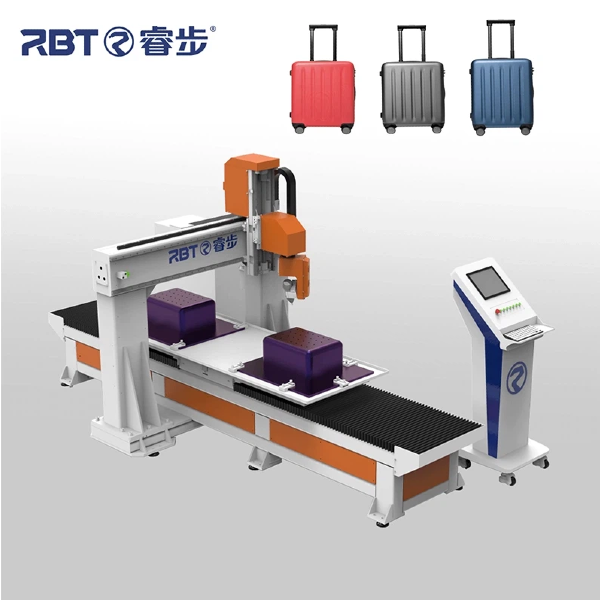
A Luggage Cutting Machine rarely loses accuracy all at once. More often, the machine keeps running while cut quality slowly declines, and the first signs appear as rough edges, poor fit, more rework, and avoidable downtime.
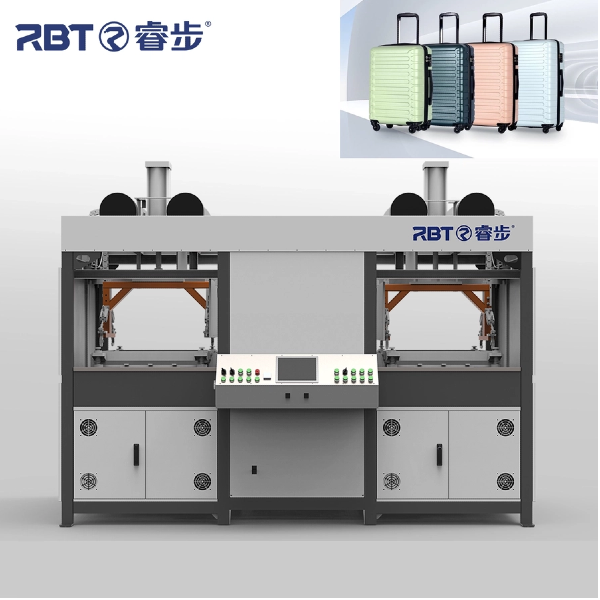
A flat plastic sheet is not what customers notice first. What they recognize is the finished hard-shell suitcase, and the Luggage Vacuum Forming Machine is the stage that turns sheet material into that visible shell.
A hard-shell suitcase may look modern in a catalog, but turning that design into a reliable product is a very different challenge.
Troubleshooting Common Issues in CNC Luggage Punching OperationsIn the world of luggage production, CNC cutting machines have become essential tools for precision and efficiency. These machines are used in many stages of the manufacturing process, including CNC punching operations, which involve pun
How to Choose the Right CNC Cutting Machine for Luggage ProductionIn the modern manufacturing of luggage, efficiency, precision, and consistency are key to producing high-quality products. A CNC cutting machine plays an essential role in achieving these goals. Whether you're producing hard-shell sui
Choosing the Right Suitcase Mold for Your BusinessWhen it comes to the manufacturing of suitcases, choosing the right suitcase mold is one of the most crucial decisions a business can make. The right mold ensures that your production process is efficient, cost-effective, and results in high-quality
What Brand of Luggage is Best?Luggage is an essential part of the travel experience. Whether you’re taking a short weekend getaway or embarking on a long vacation, the right luggage can make all the difference. Choosing the best luggage brand involves considering factors such as durability, function
Baggage vs Luggage: Understanding the DifferencesWhen traveling, you’ve probably heard the terms “baggage” and “luggage” used interchangeably. But are they really the same? For many, the distinction is subtle, but for those in the travel industry or luggage manufacturing, understanding the differenc
What is the Purpose of Luggage?Luggage is more than just a bag to carry your belongings while traveling; it serves multiple vital functions that contribute to a smoother, more organized, and safer travel experience. Whether it's for a business trip, vacation, or any form of long-distance travel, lug
What Luggage Do Flight Attendants Say Not to Use?Choosing the right luggage for your travels is an essential part of ensuring a smooth journey, especially when considering the advice of those who travel frequently—flight attendants. Their insights can save you from unnecessary frustrations, includin
What is the 3-1-1 Rule for Luggage?When traveling by air, understanding airport regulations is crucial to ensure a smooth and hassle-free experience. One of the most commonly misunderstood and frequently enforced rules is the TSA's 3-1-1 rule. This rule governs the transportation of liquids, gels, a
Choosing the Right Luggage for Your TripChoosing the right luggage for your trip is essential for ensuring a smooth and comfortable travel experience. Whether you are embarking on a weekend getaway or an international business trip, selecting the proper luggage can significantly impact how you navig
How Suitcase Molds Influence Luggage Quality and DurabilityWhen it comes to producing high-quality luggage, many factors contribute to the final product's success. One of the most critical, often overlooked components is the suitcase mold. A suitcase mold determines the outer shell of the luggage, i
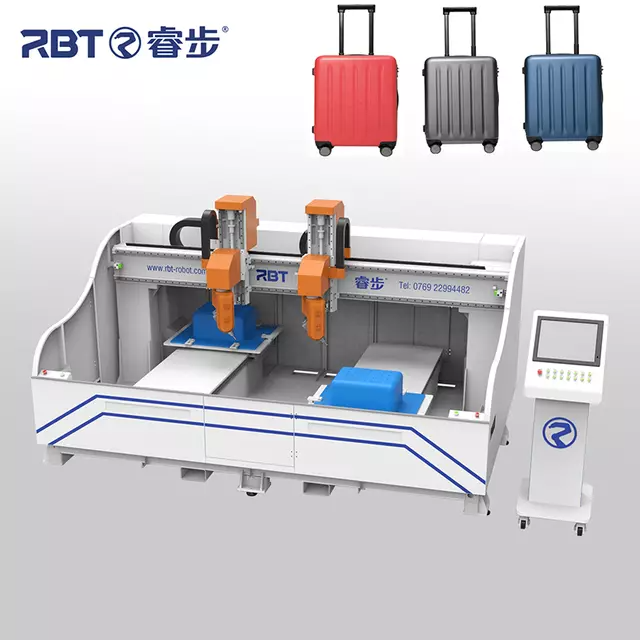
Optimizing Production Efficiency with Double-Station CNC Luggage CuttersIn the modern era of manufacturing, efficiency is the cornerstone of business success. In the luggage manufacturing industry, optimizing production processes is key to maintaining competitive advantage, meeting growing customer
Types of Suitcase Molds and Their Applications1. Introduction to Suitcase MoldsSuitcase molds are essential in the luggage manufacturing process. The mold serves as the template or shape for the suitcase, determining the overall structure, design, and functionality of the product. Whether for a hard
What Do You Mean by Luggage?Defining LuggageLuggage is an essential part of travel, providing a safe and convenient way to carry personal belongings from one destination to another. From large suitcases to small travel bags, luggage has become a critical component of every traveler’s journey. But wh