

Views: 0 Author: Site Editor Publish Time: 2025-12-23 Origin: Site
Setting up a luggage manufacturing line is a significant investment that requires careful consideration of various factors, including equipment, materials, labor, and operational expenses. The cost of establishing such a line can vary widely based on the scale of production, the type of luggage being produced (such as hard-shell or soft-shell), and the location of the manufacturing facility. While smaller operations may have lower initial costs, large-scale, automated lines designed for high-volume production require much higher investments. In this article, we will explore the key factors that influence the costs of setting up a luggage manufacturing line, including the equipment needed, raw material costs, and other essential elements, helping you understand the financial commitments involved and how to plan effectively for a successful luggage production business.
Setting up a luggage manufacturing line involves several factors that affect the overall cost. Here are the key elements to consider:
Impact on Costs: Smaller production lines require less machinery and simpler processes, leading to lower setup costs. High-volume operations need more advanced equipment, automation, and larger facilities, increasing costs.
Impact on Costs: Different luggage types require specific machinery. Hard-shell luggage needs expensive equipment like injection molding and vacuum forming machines, while soft-shell luggage requires basic sewing and cutting machines, which are more affordable.
Impact on Costs: Costs vary depending on location, including labor costs, raw material availability, and facility rental. Manufacturing in regions with low labor costs or proximity to material suppliers can lower overall expenses.
Impact on Costs: Skilled labor, especially for operating advanced machines or quality control, adds to the cost. Training costs also factor in when upgrading staff skills or hiring new employees.
Impact on Costs: Materials like ABS, polycarbonate, and nylon vary in price. Polycarbonate is more expensive but provides better durability, while nylon and polyester are more affordable for soft-shell luggage.
Setting up a luggage manufacturing line involves several cost components. Each aspect contributes to the overall investment required to start production, from equipment to logistics.
Extrusion Machines: These machines are used to create the plastic sheets for luggage shells. The cost of extrusion machines varies depending on the capacity and features, with prices ranging from tens of thousands to over a hundred thousand dollars.
Injection Molding and Vacuum Forming Machines: These machines shape the hard-shell luggage. Injection molding is more expensive due to its precision and capability for complex designs, while vacuum forming machines are relatively more affordable.
Sewing and Cutting Machines: For soft-shell luggage, these machines are necessary for fabric cutting and stitching. The cost of sewing machines is generally lower compared to molding machines but still represents a significant part of the setup cost.
Quality Control Equipment: These include testing and inspection systems to ensure the consistency and performance of the finished products. These systems typically add to the initial cost, ensuring that luggage meets safety and quality standards.
Space: The cost of purchasing or renting a facility is a significant expense. The size of the facility needed depends on the scale of production, with larger spaces required for high-volume operations.
Utilities: Ongoing expenses for electricity, water, and other utilities to power machinery and maintain the factory.
Maintenance: Routine maintenance of the facility and machinery is essential for preventing downtime and maintaining efficient production.
Skilled Operators: Hiring skilled workers to operate the machinery is one of the primary labor expenses. This includes engineers, machine operators, and production staff.
Training: Initial and ongoing training costs for new and existing employees to ensure proper operation of machinery and adherence to safety standards.
Plastic Materials: The cost of raw materials such as ABS, polycarbonate, and polypropylene for hard-shell luggage. Prices vary depending on material type, quality, and market conditions.
Fabrics and Hardware: For soft-shell luggage, raw materials include nylon, polyester, and other fabrics, as well as components like zippers, handles, and wheels.
Storage and Handling: Costs involved in storing raw materials and finished products. This includes warehouse space and labor for handling and organizing materials.
Transportation: The cost of shipping raw materials to the manufacturing facility and distributing the finished luggage to retailers or customers. This also includes costs for packaging and delivery.
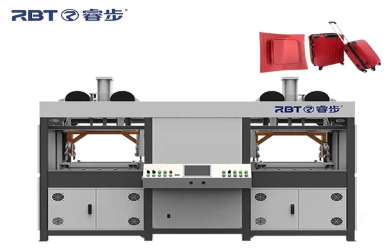
The cost of setting up a luggage manufacturing line varies significantly based on production scale, materials, and complexity. Here’s a breakdown of how these factors influence costs.
Small-Scale Operations:
Small-scale setups typically cost between $100,000 and $500,000. These operations use basic machinery like sewing machines, cutting equipment, and simpler extrusion machines. The facility and labor requirements are more modest, keeping costs lower.
Large-Scale Operations:
For high-volume production, costs can exceed $1 million. This involves advanced machinery such as injection molding machines, automated lines, and larger facilities, leading to significantly higher costs due to increased labor, materials, and production capacity.
Level of Automation:
Increased automation (e.g., robotic arms, automated handling) raises initial costs but improves efficiency and production speed. Smaller operations with manual labor can reduce upfront costs but may have higher long-term labor expenses.
Type of Materials Used:
High-quality materials like polycarbonate require more advanced machinery, increasing setup costs. More affordable materials like ABS and polypropylene can reduce material costs but may affect the luggage's durability.
Complexity of Luggage:
Basic soft-shell luggage is cheaper to produce, requiring less advanced equipment. Complex hard-shell luggage with custom features demands more expensive equipment and higher material costs.
Once a luggage manufacturing line is up and running, several ongoing costs will need to be managed to ensure smooth and efficient operations. These costs include maintenance, operational expenses, and marketing and sales.
Description: Regular maintenance is essential to keep machinery in good working condition and avoid unexpected breakdowns. Maintenance costs include parts replacement, servicing of extrusion machines, injection molding machines, and sewing equipment.
Importance: Preventive maintenance helps reduce downtime and extends the lifespan of expensive machinery.
Labor Costs: Ongoing wages for employees, including machine operators, engineers, and quality control personnel. Skilled labor is particularly important for managing specialized equipment.
Utilities: Electricity, water, and gas to power machinery and run the facility.
Raw Materials: Continuous procurement of materials like ABS, polycarbonate, nylon, and polyester, which fluctuate in price depending on demand and supplier.
Overhead Costs: Includes expenses like facility rent, insurance, and administrative costs required to run the production line.
Marketing Costs: Expenses related to advertising, branding, and promotional activities to raise awareness of the luggage products in the market.
Distribution Costs: Logistics for storing, handling, and shipping the finished luggage products to retailers or direct customers. This includes packaging, transportation, and warehousing costs.
Small-scale operations typically cost between $100,000 and $500,000, depending on the equipment and production scale. Basic machinery and simpler processes lead to lower costs compared to large-scale operations.
Hard-shell luggage production requires expensive machinery like injection molding machines, while soft-shell luggage production involves simpler equipment like sewing machines, reducing initial setup costs. Specialized designs can also add to costs.
3.What ongoing costs should be considered after setting up the manufacturing line?
Ongoing costs include labor, material procurement, machine maintenance, utilities, and logistics for storage, handling, and distribution of finished products.
While automation increases initial costs, it reduces long-term operational costs by lowering labor expenses, improving efficiency, and speeding up production, leading to a quicker ROI and improved consistency and quality.
Setting up and running a luggage manufacturing line requires careful consideration of both initial setup costs and the ongoing expenses necessary for maintaining operations. Regular maintenance of machinery is crucial to prevent breakdowns and extend the lifespan of expensive equipment, ultimately reducing unexpected downtime. Operational costs such as labor, utilities, and raw materials are recurring expenses that must be managed efficiently to ensure consistent production and high-quality outputs. The fluctuating cost of materials like ABS, polycarbonate, and nylon can significantly impact the bottom line, requiring strategic sourcing and inventory management. Additionally, marketing and sales costs are essential for raising brand awareness and ensuring products reach customers, whether through advertising campaigns, retail partnerships, or logistics for shipping and distribution. By closely monitoring and optimizing these ongoing expenses, manufacturers can maintain profitability, improve operational efficiency, and continue to offer high-quality products while staying competitive in a dynamic market. With careful management of these costs, a luggage manufacturing line can achieve long-term success and sustainability.


