

Views: 0 Author: Site Editor Publish Time: 2025-12-30 Origin: Site
The process of luggage production is complex, involving multiple stages, each with its own set of challenges. From material selection to final assembly, issues can arise at any point in the production cycle, impacting the overall quality and efficiency of the process. For instance, material defects, inconsistencies in molding or forming, assembly errors, and failures in quality control can all lead to subpar luggage products. These challenges can result in delays, increased costs, and dissatisfaction among customers. This article will explore the common problems faced in luggage production and provide practical solutions to address them, ensuring that manufacturers can produce high-quality luggage while maintaining efficient operations. By understanding these potential issues and implementing effective solutions, manufacturers can enhance product quality, reduce waste, and streamline production processes.
Luggage production involves several complex processes, and problems can arise at various stages. From raw material defects to assembly errors, these issues can affect both the functionality and aesthetics of the final product. Below are some common problems faced in luggage production, along with their causes and solutions.
Problem: Imperfections in the raw materials, such as scratches, inconsistent thickness, or poor-quality plastics and fabrics, can severely affect the durability and appearance of the final product. These defects may not be noticeable immediately but can lead to the luggage failing under pressure or losing its aesthetic appeal.
Cause: This issue often arises from subpar raw material sourcing, poor storage conditions, or improper handling during transportation, which can result in damage or degradation before the materials even reach the production line. Poor handling can cause scratches or bending, and improper storage can lead to contamination or material breakdown.
Solution: To prevent material defects, manufacturers should partner with reputable suppliers who consistently provide high-quality materials. Conducting thorough quality checks on all incoming materials before use, along with implementing proper storage and handling procedures, will help eliminate the risk of material-related defects. Using proper packaging during transportation is also essential to maintaining the integrity of materials.
Problem: Uneven molding or forming of the luggage shell can result in defects like warped shapes, misalignment of parts, or other distortions, affecting both the functionality and aesthetic appeal of the luggage. This can result in ill-fitting components that don’t align properly during assembly.
Cause: Issues like temperature control problems, machinery malfunctions, or improper die settings are often the culprits behind inconsistent molding. These problems lead to uneven material flow or poor pressure distribution during the molding process, resulting in imperfect shapes or misalignment.
Solution: To prevent these issues, regular maintenance and calibration of molding machines are critical to ensuring consistent temperature and pressure settings. High-quality molds that are properly aligned and regularly maintained will reduce the likelihood of molding defects. Implementing temperature sensors and pressure gauges throughout the molding process can help maintain uniformity and precision across production runs.
Problem: Errors during the assembly process, such as misaligned zippers, improperly attached handles, or defective wheels, can result in both functional and cosmetic issues in the final product. These errors not only impact the performance of the luggage but can also diminish its visual appeal.
Cause: These issues may arise from lack of skilled labor, rushed production, or the use of poor-quality assembly tools, which can lead to errors in assembly. Additionally, inconsistent quality of components or parts can cause difficulties in achieving proper alignment or secure attachments.
Solution: Manufacturers should invest in proper training for assembly workers to ensure they fully understand the importance of precision in every aspect of the assembly process. High-quality assembly tools should be used, and manufacturers should establish regular inspection checks throughout the assembly stages. This will help catch errors early and improve overall product consistency. Also, using automated tools for certain assembly steps can reduce human error.
Problem: Failure to meet quality standards, such as luggage that doesn’t pass inspection or fails under stress during testing, can result in defective products reaching customers. These defects can affect the structural integrity, aesthetic quality, or functional performance of the luggage.
Cause: Quality control failures often occur due to inadequate or poorly executed quality control systems, poor inspection methods, or rushed production deadlines that prevent thorough testing. If defects are not detected early, they can affect large batches of products.
Solution: A robust quality control system is essential for ensuring the final product meets high standards. This system should include multiple checkpoints throughout the production line, such as inspecting materials before production, during the molding process, and post-assembly. Automated testing equipment, such as stress tests, weight checks, and durability assessments, can help identify flaws quickly. Additionally, ensuring thorough post-production inspections and using third-party inspection services can further guarantee product quality before the luggage reaches customers.
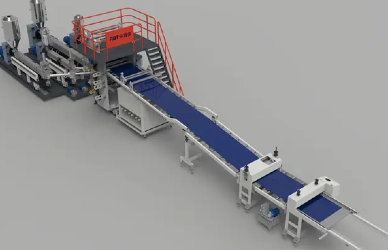
To ensure smooth luggage production and minimize common issues, manufacturers should implement several preventative measures that focus on training, maintenance, supply chain management, and technological advancements.
Importance: Regular staff training is essential to ensuring that workers understand production standards, quality expectations, and the importance of precision in every stage of manufacturing. Well-trained staff are less likely to make errors, leading to fewer assembly mistakes, material defects, and inconsistent molding.
Solution: Invest in comprehensive training programs that cover all aspects of the production process. Ensure workers are familiar with machine operation, quality standards, and troubleshooting techniques. Regular refreshers and skill updates will help maintain high standards and reduce errors.
Importance: Routine checks and maintenance of machinery are critical to prevent malfunctions and breakdowns that can disrupt production. Well-maintained machines ensure consistent molding, precise cutting, and accurate assembly, minimizing the risk of defects.
Solution: Implement a strict maintenance schedule for all machinery, including molding machines, extruders, and assembly lines. Use preventative maintenance practices to address potential issues before they escalate, ensuring that machines run smoothly and efficiently.
Importance: A reliable supply chain is crucial for sourcing high-quality materials and ensuring consistent product quality. Poor materials lead to defective luggage, negatively impacting both functionality and appearance.
Solution: Establish strong relationships with reputable suppliers who provide materials that meet high-quality standards. Perform regular quality checks on incoming raw materials to identify any defects or inconsistencies before production begins. A well-managed supply chain ensures materials are delivered on time and in optimal condition.
Importance: Incorporating automation and smart technologies into the production process can greatly improve precision and efficiency. Automation helps reduce human error, ensures consistent quality, and speeds up production times, leading to better overall outcomes.
Solution: Invest in automated machinery and robotic systems that can perform repetitive tasks with high accuracy. Smart technologies, such as AI-powered quality control systems, can monitor production in real-time, identifying defects or deviations early in the process and ensuring high standards are maintained.
Common material defects in luggage production include scratches, inconsistent thickness, and poor-quality fabrics or plastics. These defects can significantly affect both the durability and appearance of the luggage. Scratches can occur during handling or storage, while inconsistent thickness in materials can lead to weak spots that may fail under pressure. Using low-quality materials can result in the luggage losing its structural integrity, leading to a shorter lifespan.
To prevent molding or forming issues such as warped shapes or misalignment, it is essential to regularly calibrate machinery and maintain precise temperature and pressure control throughout the molding process. Using high-quality molds that are properly aligned and regularly inspected ensures uniformity in the final product. Additionally, investing in advanced molding technologies can help to achieve consistent results and avoid common molding defects.
To improve the assembly process, it is crucial to provide proper training for assembly workers to ensure they understand the importance of precision and quality standards. Investing in high-quality assembly tools can help minimize mistakes during the assembly process. Conducting regular inspections at different stages of the assembly process can help catch and correct any errors early, ensuring the final product meets the required specifications.
Implementing a comprehensive quality control system with multiple checkpoints during production is essential for ensuring the final product meets the highest standards. Using automated testing equipment allows for real-time monitoring and quicker identification of defects. Additionally, conducting thorough post-production inspections on every piece before it leaves the production line ensures that only high-quality luggage reaches customers, minimizing returns and dissatisfaction.
Luggage manufacturing presents a range of potential challenges that can impact the final product's quality. Common issues such as material defects, molding inconsistencies, assembly errors, and quality control failures can result in luggage that doesn’t meet the desired standards, affecting both its functionality and appearance. Addressing these problems early on is essential to maintaining a high level of quality. By implementing effective planning, preventive measures, and a commitment to continuous improvement, manufacturers can reduce the occurrence of these issues. Focusing on the quality of materials, routine maintenance of machinery, proper worker training, and comprehensive quality control checks ensures that the luggage produced is durable, functional, and appealing to consumers, setting the foundation for long-term success.


