

Views: 0 Author: Site Editor Publish Time: 2025-11-13 Origin: Site
The luggage industry has undergone significant changes over the past few decades, largely due to the advancement of technology and automation. One of the most transformative innovations has been the development and use of luggage making machines. These machines have revolutionized the way luggage is designed, produced, and delivered, streamlining manufacturing processes and improving both efficiency and product quality. From the assembly of zippers to the formation of the suitcase shell, luggage making machines play an essential role in the modern production of travel bags.
In this article, we will explore how luggage making machines have reshaped the industry, focusing on their impact on manufacturing efficiency, precision, product diversity, and sustainability. We’ll also examine the key technologies behind these machines and look at some of the specific types of machines used in luggage production.
Traditionally, luggage was made using manual labor, with workers stitching fabric, cutting leather, and assembling components by hand. This labor-intensive process required skilled craftsmanship, but it was also time-consuming and prone to errors. While some of these techniques are still used for luxury or handcrafted luggage, mass production in the modern era has significantly changed how suitcases and travel bags are made.
The introduction of automated machinery in the 20th century allowed manufacturers to reduce production time, lower costs, and increase consistency. Early machines were designed to help with specific tasks such as sewing, cutting, or attaching hardware, but as the demand for luggage grew, manufacturers began developing machines capable of performing multiple tasks in a single process.
Today’s luggage making machines use state-of-the-art technology to automate nearly every stage of the manufacturing process, from the initial cutting of materials to the final packaging of the finished product. Automation has allowed companies to produce luggage in higher quantities, with greater accuracy and at faster rates, all while reducing human error and labor costs.
The efficiency and precision of modern luggage making machines can be attributed to the integration of various advanced technologies. These include robotics, computer-controlled systems, high-precision cutting tools, and automated stitching machines. Let’s take a closer look at the key technologies that power today’s luggage manufacturing processes.
Robots play a crucial role in many parts of the luggage production line, especially in tasks that require repetitive motions or high precision. Robotic arms can be programmed to perform tasks like assembling parts, attaching handles, and even inspecting finished products for quality control. These machines significantly reduce the need for manual labor while ensuring high-quality and consistent results.
In addition to robotic arms, automated systems such as conveyor belts and automated sorting systems are used to move materials between different stages of production, optimizing workflow and reducing production time.
CNC machines are used to cut, shape, and engrave materials with high precision. For example, CNC machines are used to cut the hard shell of suitcases from durable plastics such as polycarbonate or ABS. The precision of CNC technology ensures that parts fit together perfectly, reducing the need for rework and improving the overall quality of the finished product.
CNC machines also enable the creation of complex patterns or designs on luggage surfaces, enhancing the aesthetic appeal of the bags while maintaining functional integrity.
Sewing is one of the most important processes in luggage making, especially for soft-sided bags. Traditional sewing methods required skilled workers to stitch the pieces of fabric together by hand. However, automated stitching machines have made this process faster and more accurate.
Modern automated sewing machines are programmed to sew precise stitches at high speeds, reducing the potential for errors and inconsistencies. These machines are also capable of performing complex stitching patterns, such as reinforcing seams or attaching zippers, which would have been difficult to do by hand.
Laser cutting is another significant advancement in luggage manufacturing. Lasers can be used to precisely cut fabric, leather, or synthetic materials to create parts of the bag, such as the main body, straps, or pockets. This technology allows manufacturers to produce intricate shapes and patterns with minimal waste, making it both an efficient and environmentally friendly option.
Laser cutting also helps to create clean, smooth edges, preventing the materials from fraying and ensuring the bag’s durability.
Quality control is an essential part of any manufacturing process, and luggage making is no exception. Advanced vision inspection systems and AI-powered sensors are now used to inspect products throughout the manufacturing process. These systems can detect defects such as scratches, misalignments, or other imperfections, ensuring that only high-quality products reach the consumer.
By incorporating automated quality control systems, manufacturers can significantly reduce the likelihood of defective products being shipped to customers, improving customer satisfaction and reducing returns.
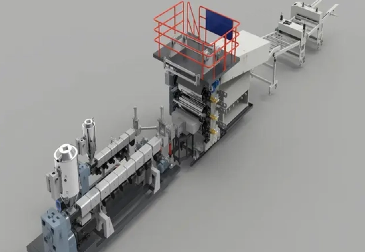
The introduction of automated luggage making machines has had a profound impact on manufacturing efficiency. Let’s explore some of the key benefits that these machines have brought to the industry.
Automating repetitive tasks has drastically reduced the time required to produce a piece of luggage. For example, processes that once took hours, such as stitching and assembling the various parts of a suitcase, can now be completed in minutes. With automated machinery, manufacturers can produce large quantities of luggage in a fraction of the time it would take using manual labor.
This reduction in production time has allowed companies to meet the growing demand for luggage, especially during peak seasons like holidays and back-to-school periods, without sacrificing quality.
Human workers can make mistakes, leading to inconsistencies in the finished product. With the use of precision-driven machines, luggage manufacturers can ensure that each item produced is identical to the next. For example, stitching machines can create consistent, even seams that are crucial to the durability and strength of the luggage.
Additionally, laser cutting technology ensures that the materials used for the suitcase shells or handles are cut with high precision, improving the fit and overall aesthetic of the final product.
By automating tasks that would otherwise require manual labor, manufacturers can reduce their reliance on a large workforce, significantly lowering labor costs. This also allows workers to focus on more specialized tasks, such as quality control or overseeing the overall production process, which further enhances productivity.
Modern luggage making machines, particularly those using laser cutting and CNC technology, are highly efficient in their use of materials. The precise cutting of fabric, plastic, or leather reduces the amount of waste material produced during manufacturing. Additionally, the use of automated systems minimizes human error, which often results in material wastage.
By reducing waste, manufacturers can not only save costs but also reduce their environmental footprint, contributing to a more sustainable production process.
Luggage making machines are used in a variety of different manufacturing processes, and they cater to the production of different types of luggage. Here are some of the diverse applications of these machines:
Machines designed to cut, mold, and form hard-shell suitcases are used in the production of rigid luggage pieces. The CNC machines and laser cutters used in this process ensure the accurate shaping of hard plastics such as polycarbonate, ABS, or polypropylene, which are commonly used in making durable and lightweight suitcase shells.
For soft-sided luggage, automated stitching machines are essential in creating the bag’s fabric body. These machines stitch together materials such as nylon, polyester, or leather, creating durable seams and edges that can withstand the rigors of travel.
Luggage making machines are also used in the production of backpacks, duffle bags, and carry-on luggage. These items often require both stitching and the addition of various components like zippers, straps, and handles, all of which can be easily handled by automated systems.
The use of luggage making machines has revolutionized the luggage manufacturing process by dramatically improving efficiency, precision, and product quality. Automation has allowed manufacturers to meet high demand while reducing costs and ensuring consistent results. With advancements in robotics, laser cutting, CNC machining, and automated stitching, luggage production has become faster, more reliable, and more cost-effective than ever before.
As the industry continues to evolve, we can expect even more innovative technologies to shape the future of luggage manufacturing, further enhancing the overall consumer experience. Whether for hard-shell suitcases, soft-sided luggage, or carry-ons, luggage making machines are at the forefront of driving change in the way we travel.
By embracing these technological advancements, manufacturers are not only improving production capabilities but also contributing to a more sustainable and efficient future for the luggage industry.


