

Views: 0 Author: Site Editor Publish Time: 2025-11-25 Origin: Site
The luggage manufacturing industry has witnessed significant advancements in recent years, primarily driven by technological innovations. From automation to smart machinery, the evolution of luggage making machines has streamlined the production process, allowing manufacturers to produce high-quality, durable, and functional products more efficiently than ever before. In this article, we will explore the different types of luggage making machines and their uses, focusing on how each machine contributes to the production of various luggage types—from soft-sided bags to hard-shell suitcases.
Luggage making machines play a crucial role in every stage of production, from cutting and stitching to assembly and quality control. By automating many of the tasks that were once done manually, these machines have increased speed, reduced labor costs, and improved the overall quality of the final product. Let’s dive into the key types of luggage making machines and explore their functions in the production process.
Cutting is one of the first steps in luggage manufacturing, where the raw materials—such as fabric, leather, plastic, and other synthetic materials—are precisely cut to the required shapes and sizes. Cutting machines are essential for ensuring that the materials are accurately prepared for the next stages of production. They can handle a variety of materials and are designed for both precision and efficiency.
Fabric Cutting Machines: These machines are used to cut soft materials like fabric, canvas, and synthetic leather. They operate using either manual or automated processes, such as rotary blades, oscillating knives, or laser cutting. Laser cutting, in particular, has become increasingly popular due to its ability to make precise cuts and engrave designs without fraying the edges of the material.
Die-Cutting Machines: Used primarily for cutting hard materials like plastic or thin metal sheets, die-cutting machines employ a die to punch specific shapes or patterns out of the material. This process is commonly used for creating the panels or shells of hard-sided luggage and accessories such as zippers or pockets.
CNC (Computer Numerical Control) Cutting Machines: CNC cutting machines use computer programming to make highly accurate cuts in materials, especially metals, plastics, and wood. These machines are particularly useful in hard-shell luggage manufacturing, where precision is key to creating durable and well-fitted components.
After cutting, the next critical step in luggage production is stitching the pieces together. This is where sewing and stitching machines come into play. Automated sewing machines allow for faster production speeds while ensuring that each stitch is consistent and strong, which is essential for maintaining the durability of the luggage.
Straight Stitch Sewing Machines: These are the most basic and widely used sewing machines in luggage manufacturing. They are designed for simple, straight stitching along seams. These machines are commonly used in soft-sided luggage, where fabric pieces need to be sewn together to form the structure of the bag.
Overlocking Machines (Serger Machines): Overlocking machines are used to finish the raw edges of the fabric, preventing fraying and ensuring that the seams remain intact during use. These machines are especially useful for soft-sided luggage and accessories like bags or backpacks.
Bar Tack Machines: Bar tacking is a technique used to reinforce certain areas of a luggage item, such as where straps or handles are attached. Bar tack machines sew multiple stitches in a tight area, providing extra strength to handle the weight and stress placed on these parts.
Automated Stitching Machines: These are advanced machines that can perform complex stitching patterns, including zigzag stitches and decorative seams. They are typically used in higher-end luggage designs, where aesthetic stitching patterns are part of the overall look and feel of the product.
Once the pieces are cut and stitched, the next step is to assemble the luggage components. Luggage assembly involves attaching various parts, such as handles, wheels, zippers, locks, and other accessories. This stage of the manufacturing process requires precision, as each component needs to be securely attached to ensure the functionality and durability of the finished product.
Handle Insertion Machines: These machines are designed to insert handles into the luggage, whether they are telescoping handles or side handles. The handle is securely attached to the body of the suitcase using bolts or other fasteners. These machines ensure that handles are placed at the correct height and angle for ergonomic use.
Wheel Attachment Machines: Luggage wheels are essential for easy maneuverability, and wheel attachment machines ensure that wheels are securely fastened to the luggage body. Some machines are designed to automatically place and fasten the wheels, while others allow for manual adjustments to ensure proper alignment.
Lock and Zipper Insertion Machines: These machines insert locks and zippers into the luggage, ensuring they are properly aligned and securely attached. Modern machines can handle both mechanical locks and electronic locking systems, ensuring that security is not compromised.
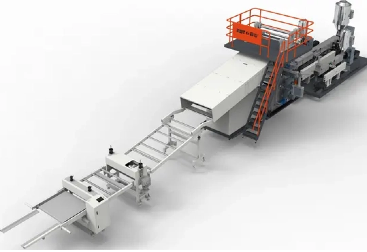
For hard-shell luggage, the production process is more complex, involving the use of molding and injection machines. These machines are used to create the durable outer shells of the luggage, typically made of materials like polypropylene, polycarbonate, or aluminum.
Injection Molding Machines: These machines are used to produce the hard outer shells of luggage. The process involves injecting molten plastic into a mold, where it cools and solidifies into the desired shape. Injection molding is highly precise and efficient, making it ideal for creating lightweight yet durable luggage shells.
Blow Molding Machines: Blow molding is another method used to create hard luggage shells, particularly for larger pieces. This process involves inflating a heated plastic tube inside a mold, allowing it to expand into the shape of the mold. Blow molding is commonly used for producing large luggage pieces, as it can create seamless, strong, and lightweight components.
Quality control is essential in the luggage manufacturing process to ensure that each product meets the highest standards of durability, safety, and functionality. Quality control machines are used to inspect and test the various components of luggage before they are packaged and shipped.
Visual Inspection Systems: Automated cameras and vision systems are used to inspect the surfaces of luggage for defects, such as scratches, dents, or incorrect stitching. These systems can identify flaws that may not be visible to the human eye, ensuring that only high-quality products reach consumers.
Pressure Testing Machines: These machines test the strength and durability of the luggage, simulating the pressures that the luggage will face during handling, travel, and use. For example, pressure testing machines can simulate the weight placed on a suitcase during travel, ensuring that the zippers, handles, and wheels remain intact under stress.
Security and Lock Testing Machines: Luggage with locks and zippers is tested for security and ease of use. These machines ensure that the locks function properly and that zippers can open and close smoothly. Some machines also test the durability of electronic lock systems and biometric locks.
After the luggage is fully assembled and inspected, it’s ready to be packaged for shipment. Packaging machines are used to efficiently pack the luggage, ensuring that it is protected during transport while maintaining a professional and aesthetically pleasing presentation.
Shrink Wrapping Machines: These machines apply a plastic film around the luggage and then shrink it with heat to create a tight, protective seal. This ensures that the product remains secure and free from dust and damage during shipping.
Boxing Machines: Some luggage is packaged in cardboard boxes to protect it during transport. Boxing machines automatically fold and seal boxes, streamlining the packaging process.
Luggage manufacturing has evolved significantly over the years, thanks to advancements in technology and automation. From cutting and stitching to assembly and quality control, luggage making machines play a vital role in every step of production. The use of automated systems, robotics, and specialized machinery has allowed manufacturers to produce high-quality luggage more efficiently, ensuring that products meet the demands of consumers while reducing costs.
As technology continues to advance, the luggage manufacturing process will only become more sophisticated. With innovations like AI, robotics, and sustainable practices, the industry is set to meet the growing demands of modern travelers. Companies like RBT Machinery are at the forefront of these advancements, providing state-of-the-art machinery solutions that help manufacturers stay competitive and produce luggage that is durable, functional, and stylish for the modern consumer.


