

Views: 0 Author: Site Editor Publish Time: 2025-12-29 Origin: Site
When it comes to luggage production, choosing the right material for the shell is crucial in determining the final product’s durability, weight, cost, and overall aesthetic. The three most commonly used materials for luggage shells are Polycarbonate (PC), ABS, and Polypropylene (PP). Each material offers distinct advantages and disadvantages, making it important for manufacturers to carefully consider the needs of their target market and the specific purpose of the luggage. Polycarbonate is known for its superior impact resistance and flexibility, making it ideal for premium luggage, while ABS is a cost-effective option that offers decent durability and scratch resistance. Polypropylene, on the other hand, is prized for its lightweight nature and resistance to chemicals, but it lacks the impact resistance of the other two. This guide will help manufacturers and consumers alike understand the strengths and weaknesses of each material, ensuring the best choice for durability, weight, cost, and design in luggage production.
Polycarbonate (PC) is a high-performance plastic known for its strength, flexibility, and impact resistance. It is a preferred choice for luggage shells due to its ability to provide superior protection while remaining lightweight. Polycarbonate is a thermoplastic material that can be molded into a variety of shapes and thicknesses, offering both durability and design flexibility.
High Impact Resistance: Polycarbonate is known for its exceptional impact resistance, capable of withstanding heavy blows and impacts without cracking or breaking. This makes it ideal for protecting fragile contents during travel, especially for high-end luggage.
Lightweight: Despite its durability, polycarbonate is relatively lightweight, offering luggage manufacturers the ability to create durable shells without significantly adding to the overall weight of the luggage. This is particularly important for travelers looking for strong yet light luggage.
Design Flexibility: Polycarbonate can be molded into intricate designs and various thicknesses, providing manufacturers with design flexibility. Whether creating sleek, stylish luggage or functional designs with reinforced corners, polycarbonate can accommodate various styles and structural requirements.
Higher Cost: The main downside of polycarbonate is its higher cost compared to materials like ABS and Polypropylene (PP). This increased cost is due to its superior material properties and more complex manufacturing processes, which can make polycarbonate luggage more expensive for consumers.
Polycarbonate is best suited for premium, high-end luggage that requires superior protection for delicate items. Its combination of strength, flexibility, and lightness makes it the ideal choice for luxury and high-performance luggage, where durability is crucial but weight must be minimized.
ABS (Acrylonitrile Butadiene Styrene) is a widely used thermoplastic material known for its cost-effectiveness, toughness, and rigidity. It is one of the most common materials for luggage shells, offering a good balance of strength and affordability. ABS is popular in the production of budget-friendly and mid-range luggage, providing a durable option at a lower cost compared to higher-end materials like polycarbonate.
Affordable: ABS is one of the most cost-effective materials for luggage production, making it ideal for budget-conscious travelers and manufacturers. Its lower price point makes it accessible for mass-market luggage lines.
Good Durability: While not as impact-resistant as polycarbonate, ABS still offers decent durability and impact resistance. It can withstand regular wear and tear, providing a protective outer shell for most travel needs.
Scratch Resistance: ABS is more scratch-resistant than some other materials, ensuring the luggage shell retains a smooth surface and looks better for longer. This makes it ideal for maintaining aesthetic quality in budget and mid-range luggage.
Lower Impact Resistance: ABS offers lower impact resistance compared to polycarbonate. While it can handle typical travel-related impacts, it is more likely to crack or break under severe stress or extreme conditions.
ABS is best suited for mid-range luggage that strikes a balance between cost and durability. It’s an ideal choice for manufacturers aiming to provide durable, budget-friendly luggage that offers solid protection and good aesthetics without the higher price tag of polycarbonate. It works well for casual travelers or those who don’t require the highest levels of impact protection.
Polypropylene (PP) is a lightweight, flexible, and chemical-resistant thermoplastic material. It is widely used in various industries, including luggage manufacturing, due to its affordability and durability against everyday wear. While not as impact-resistant as other materials like polycarbonate or ABS, polypropylene offers a good combination of lightness, flexibility, and cost-effectiveness, making it a popular choice for budget-friendly luggage.
Lightweight: Polypropylene is one of the lightest materials used for luggage production. Its low weight is ideal for travelers who want to keep their luggage as light as possible, helping to reduce overall travel weight.
Resistant to Chemicals: PP is highly resistant to chemicals, making it durable against stains, spills, and various weather conditions. This characteristic increases its lifespan, especially when exposed to liquids or outdoor elements.
Cost-Effective: Polypropylene is more affordable than both polycarbonate and ABS, offering a budget-friendly option for manufacturers and consumers without sacrificing basic durability and performance.
Lower Durability: While polypropylene is resistant to chemicals and weather, it has lower impact resistance compared to ABS and polycarbonate. It can crack or break more easily under heavy force or impact, making it less suitable for high-stress travel conditions.
Polypropylene is ideal for budget-friendly luggage and for consumers who prioritize lightweight over impact protection. It is well-suited for everyday travel needs, such as light packing or short trips, where durability under extreme stress is less of a concern. It’s an excellent choice for low-cost, functional luggage options.
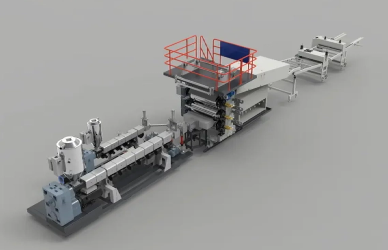
Choosing the right material for luggage production depends on key factors such as durability, weight, cost, and aesthetics. Here’s a breakdown of the differences between Polycarbonate (PC), ABS, and Polypropylene (PP) sheets:
Polycarbonate (PC): Offers high impact resistance, making it ideal for premium luggage that needs to withstand heavy impacts.
ABS: Offers good durability, but is less impact-resistant than polycarbonate. It’s suitable for mid-range luggage but can crack under extreme stress.
Polypropylene (PP): Less durable than both ABS and polycarbonate, PP is prone to cracking under heavy force, making it better for budget luggage.
Polycarbonate (PC): Lightweight yet durable, making it a great option for high-performance luggage.
ABS: Slightly heavier than polycarbonate, but still relatively lightweight for mid-range luggage.
Polypropylene (PP): The lightest material, ideal for reducing the weight of budget luggage.
Polycarbonate (PC): The most expensive material, suitable for premium luggage where durability is crucial.
ABS: More affordable than polycarbonate, making it a good choice for mid-range luggage that balances cost and durability.
Polypropylene (PP): The cheapest material, ideal for budget-friendly luggage.
Polycarbonate (PC): Allows for intricate designs and premium finishes like glossy surfaces, making it ideal for high-end luggage.
ABS: Offers a smooth finish but with fewer design options than polycarbonate, suitable for mid-range luggage.
Polypropylene (PP): Typically used for functional luggage, with a less attractive finish compared to the other two.
Polycarbonate (PC) is the most durable material for luggage shells, offering high impact resistance and the ability to withstand significant stress without cracking. It is ideal for premium luggage that needs to protect delicate contents from rough handling during travel.
No, polycarbonate is relatively lightweight compared to its durability. While ABS and polypropylene are slightly lighter, polycarbonate strikes a great balance between strength and weight, offering strong protection without making the luggage too heavy, which is a key consideration for high-performance luggage.
3.Can polypropylene provide the same protection as polycarbonate for fragile items?
No, polypropylene is more flexible and lighter, but it is less impact-resistant than polycarbonate. This makes it less ideal for protecting fragile items under rough travel conditions. Polypropylene is better suited for travelers who prioritize lightweight luggage but don't need the highest level of protection.
Polycarbonate is the most expensive material, which makes high-end luggage more costly due to its superior durability and strength. ABS is more affordable, which allows manufacturers to create budget-friendly luggage without sacrificing too much durability. Polypropylene is the least expensive, making it ideal for lightweight, budget-friendly luggage designed for everyday use where high impact protection is not as crucial.
In summary, each material—Polycarbonate, ABS, and Polypropylene—offers unique strengths and weaknesses for luggage production. Polycarbonate is the most durable and impact-resistant, making it ideal for premium luggage that needs to protect fragile items during travel. However, it comes at a higher cost. ABS strikes a balance between durability and affordability, making it perfect for mid-range luggage that requires a solid protective shell without the premium price tag. Polypropylene, while the lightest and most cost-effective, is less durable and impact-resistant, making it better suited for budget luggage that emphasizes lightweight and affordability over high-end protection.
When choosing the best material, it’s crucial to consider the intended durability, cost, and weight of the luggage. For premium, high-durability luggage, polycarbonate is the clear choice. For budget-conscious travelers, polypropylene provides an excellent option, while ABS offers a solid middle ground for those seeking quality at an affordable price. Ultimately, selecting the right material depends on the balance of these factors to best meet the needs of both manufacturers and consumers.


