

Views: 0 Author: Site Editor Publish Time: 2026-03-05 Origin: Site
Finding damaged luggage at baggage claim feels unfair, and it often catches travelers off guard. You expect your bag to arrive safely, yet it shows up cracked, dented, or missing a wheel. In that moment, many people feel frustrated and unsure what to do next.
If you are wondering what to do if your luggage is damaged, you are not alone. Acting quickly and following the right steps can protect your belongings and improve your chances of receiving repair or compensation. In this article, we will discuss how to report the damage properly, understand airline responsibility, and explore repair or reimbursement options so you can handle the situation with confidence.
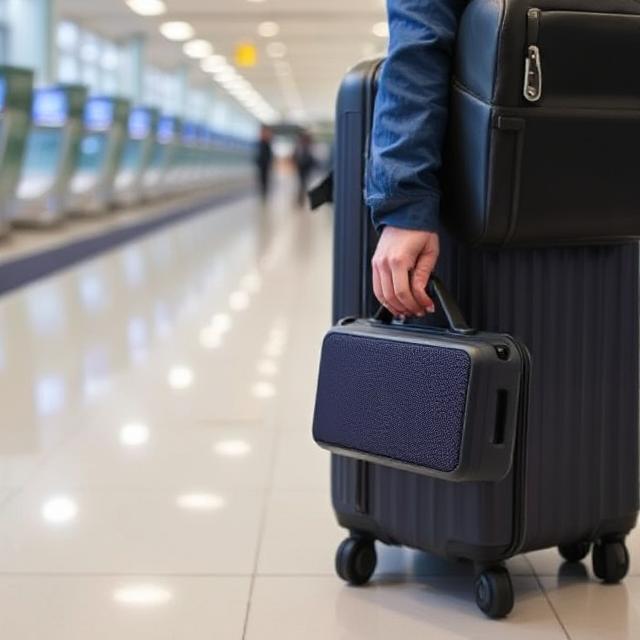
When you spot damage, stay calm and stay inside the airport. Most successful claims begin at baggage claim, not hours later at home.
Do a full inspection immediately. Look closely and test moving parts. Small issues often become bigger during your trip.
Check these key areas carefully:
● Wheels – Spin them. If they wobble or lock, note it clearly.
● Handles – Extend and retract them fully. If they stick, document it.
● Zippers – Open and close them slowly. Broken teeth weaken the bag.
● Corners and shell – Press gently. Cracks spread quickly.
● Seams – Look for splitting or stretched stitching.
If you leave the airport first, the airline may argue the damage happened later. Reporting early strengthens your position.
Photos build credibility. They show condition, location, and severity. Capture both context and detail.
What to Photograph | Why It Matters | Tip |
Full bag view | Shows overall condition | Stand 3–4 feet away |
Close-up damage | Proves severity | Use natural lighting |
Baggage tag | Links bag to flight | Make barcode readable |
Claim desk receipt | Confirms report time | Save digital copy |
Store everything in one folder. Email copies to yourself. It keeps the record safe.
Walk to the baggage service office immediately. Tell them clearly what happened. Avoid emotional language. Stick to facts. They will open a case and create a report.
If the desk is closed, contact the airline while still at the airport. Some carriers require in-person reporting. Leaving first can weaken your claim.
You will complete a formal report. It includes flight number, bag tag, and damage description. Before leaving:
● Ask for your claim number.
● Confirm next steps.
● Verify contact details are correct.
After reporting, the claim moves into review. Airlines follow internal policies. Understanding them helps you communicate clearly.
Deadlines vary by route:
Flight Type | Typical Reporting Window |
Domestic | Within 24 hours |
International | Within 7 days |
Some airlines use shorter windows. Always verify directly.
Airlines are responsible when damage occurs while luggage is under their control. This usually includes:
● Broken wheels
● Damaged handles
● Structural cracks
● Torn outer fabric
If it cannot be repaired, they negotiate compensation based on value and age.
Not all damage qualifies. Airlines often exclude:
● Normal wear and tear
● Minor cosmetic scuffs
● Damage from overpacking
● Certain fragile valuables
Describe functional damage clearly. For example, say “wheel detached” instead of “bag scratched.” It shifts the conversation toward operational failure.
Your claim number drives the process. Use it in every email subject line. Keep it in multiple places. They will request it often.
Travel managers should track luggage claims by airline. Over time, patterns may appear.
After you file, the typical flow looks like this:
1. You submit photos and basic info
2. The airline or its repair partner assesses the damage
3. They choose repair or replacement
4. If repair is approved, they may email you a prepaid shipping label
The reference document describes a real sequence: photos were sent to a luggage repair company for assessment, then a prepaid shipping label arrived by email.
Airlines prefer repair first. It reduces cost and speeds resolution. Replacement happens when repair is impossible.
Scenario | Likely Outcome |
Wheel broken | Wheel replaced |
Handle stuck | Mechanism repaired |
Shell cracked deeply | Replacement considered |
Extensive structural damage | Compensation negotiation |
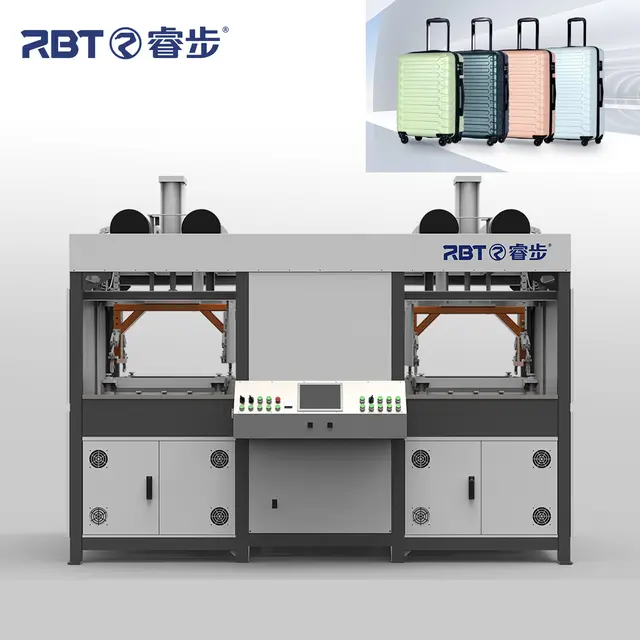
Higher-quality luggage often repairs more easily. Modern production uses precision thermoforming and reinforced structural design. Equipment providers such as RBT Machinery support luggage manufacturers by delivering intelligent integrated production systems. Their technologies, including sheet extrusion and CNC optimization, help improve structural consistency across batches. Stronger construction increases repair success rates.
Airlines operate under liability limits. The file references that, as of March 2025, U.S. airlines are liable up to a maximum per passenger for damaged baggage and contents, but the exact figure is not shown in the excerpt.
So treat this as a “check your route and airline” item, and confirm the current cap on the airline’s site or your booking documents.
If you manage corporate travel, set an internal “high-value item” policy (carry-on vs checked) to reduce claim disputes about excluded valuables.
If you believe the damage was caused by a TSA inspection, the process is different. The document is direct: you need to file a written claim with TSA.
What to keep in your file:
● Photos of the damage
● Any inspection notice left inside the luggage
● Proof of travel (boarding pass, itinerary)
● A short written timeline of when you noticed it
For teams: consider a standard “incident form” travelers can complete the same day. It improves accuracy and reduces back-and-forth later.
If you booked travel using a card that offers baggage protection, it may cover eligible damage or related costs. The source doc suggests checking credit cards for baggage protection/travel insurance.
What they usually ask for:
● Proof of purchase for the ticket (receipt/statement)
● Airline claim report and claim number
● Photos of the damage
● Repair estimate or replacement cost
If the issue looks like a manufacturing defect (for example, a zipper seam separates under normal use), contact the brand. The reference recommends checking whether your bag is still under warranty for defects.
It also notes you may need proof of purchase and documentation. This is where manufacturing quality shows up in the real world. The document includes background on RBT Machinery, an equipment solutions provider in luggage production with long industry experience and certifications.
It also lists manufacturing technologies that can improve consistency—sheet thermoforming, CNC optimization, automated production, and more.
You don’t need those details to file a claim, but they help explain why some bags hold up better and why a “defect vs handling damage” conversation can happen.
If you purchased travel insurance, read the baggage section and follow their steps. Expect a similar documentation package: photos, airline report, and receipts.
Not every traveler can upgrade their luggage right away, but if you’re replacing a bag anyway, pick one built for real handling:
● Reinforced wheels and wheel housings
● Strong handle rails (less wobble)
● Thick shell corners or corner guards
● Quality zipper tracks and stitching
● Clear warranty terms
From an industry angle, advanced production methods can improve durability and consistency. The reference describes how RBT Machinery invests in manufacturing technologies and processes (including thermoforming and automated production) and works with well-known luggage brands.
Again, you don’t need to “know the tech” to buy a good bag, but it’s a useful clue: when brands talk about materials, build process, and warranty support, they’re often signaling stronger production controls.
Overpacking strains zippers, seams, and handles. It also gives airlines an argument that the damage came from improper packing, which the document notes can limit responsibility.
A simple rule: if you have to force the zipper closed, reduce the load or use a larger suitcase.
Even durable luggage benefits from extra protection during transit. Conveyor belts, stacking pressure, and sudden drops place stress on zippers, corners, and outer fabric. Simple accessories can reduce that impact and help your bag stay secure throughout the journey.
Protective Accessory | How It Helps Your Luggage | Best Used For |
Luggage Straps | Adds external support and keeps the bag closed if a zipper fails during handling. | Checked luggage with heavy packing |
Corner Protectors | Shields vulnerable edges from impact, reducing tearing or structural stress. | Soft-sided luggage |
Luggage Cover | Reduces surface scuffs, scratches, and snagging during conveyor transfers. | Both hard-shell and soft-shell luggage |
Using one or more of these accessories adds a practical layer of protection. They do not replace strong construction, but they can significantly lower the risk of avoidable damage during travel.
Clear labeling helps reduce mishandling and routing errors during busy travel periods. Make sure your luggage tag includes your name, phone number, and email address. Avoid listing your full home address for security reasons. If the outer tag gets torn off, placing a second identification card inside the luggage adds an extra layer of protection.
If you use a tracking device, you may be able to share location data during baggage reporting, as some airline processes support this feature. Real-time tracking can speed up investigations and provide helpful proof if your luggage is delayed or misplaced.
Once you file, airlines may request more photos, a description, or shipping confirmation. Respond quickly so the case doesn’t stall. The doc also recommends keeping documentation and contacting baggage service if a report wasn’t filed immediately.
Keep all documentation in one structured folder:
Document Type | Purpose |
Claim report | Proof of filing |
Claim number | Tracking reference |
Photos | Evidence |
Emails | Communication record |
Repair receipts | Cost verification |
This is especially helpful when travelers submit expenses through a corporate tool. It lowers finance team follow-ups.
If the claim sits too long:
● Reply to the same email thread (keeps the case context)
● Include your claim number in the subject line
● Ask for the next required step (repair approval, shipping label, replacement option)
Polite persistence works. The doc explicitly mentions being persistent (and polite) when reporting and pushing the process forward.
When your luggage is damaged, act fast and report it before leaving the airport. Clear photos, a filed report, and a claim number keep the process moving smoothly. Most cases end in repair or replacement, while compensation depends on value and age.
Choosing durable luggage and packing wisely reduces future risks. Strong manufacturing standards also matter. RBT Machinery supports luggage producers with advanced production solutions that improve structure, precision, and reliability, helping brands deliver stronger, longer-lasting products to travelers.
A: If your luggage is damaged, inspect it immediately at baggage claim and report it before leaving the airport. Take clear photos of the damage, your baggage tag, and file a Property Irregularity Report to start the official claim process.
A: To file a damaged luggage claim, visit the airline’s baggage service desk and complete their report form. Provide photos, your flight details, and keep your claim number so you can track the luggage repair or reimbursement process.
A: Airlines may deny luggage claims if the damage is considered normal wear and tear, caused by overpacking, or involves excluded items like fragile valuables. Reviewing the airline’s policy helps you understand what your luggage claim should include.
A: Compensation for damaged luggage depends on airline liability limits, the bag’s value, and depreciation. If repair is not possible, the airline may negotiate reimbursement based on the original purchase price and age of the luggage.
A: Yes, many airlines prefer repairing luggage when possible. Broken wheels or handles are often replaced by authorized repair centers, which can extend the life of your luggage and resolve the issue quickly.
A: If your luggage damage appears to be a defect rather than handling damage, contact the manufacturer under warranty. You may need proof of purchase and photos to support your claim.


