

Views: 0 Author: Site Editor Publish Time: 2026-03-31 Origin: Site
When traveling by air, understanding airport regulations is crucial to ensure a smooth and hassle-free experience. One of the most commonly misunderstood and frequently enforced rules is the TSA's 3-1-1 rule. This rule governs the transportation of liquids, gels, and aerosols in carry-on luggage, affecting how travelers pack their bags for security screening. Proper adherence to this rule not only helps you avoid delays but also ensures compliance with TSA regulations, allowing for faster and more efficient processing at airport security.
This article will delve into the specifics of the 3-1-1 rule, explain its importance, and provide a detailed guide on how to pack your luggage accordingly. Additionally, we will explore how modern luggage manufacturing technologies—such as extruder sheet machines, vacuum forming machines, and CNC cutting machines—play a pivotal role in producing luggage that helps travelers comply with TSA regulations.
The 3-1-1 rule is a TSA regulation designed to streamline security screening processes and reduce the risk of hazardous items being brought on board. The rule applies specifically to liquids, gels, and aerosols that passengers are allowed to bring in their carry-on luggage.
3: Each container of liquid, gel, or aerosol must not exceed 3.4 ounces (100 milliliters). Any container larger than this must be packed in checked luggage.
1: All liquids, gels, or aerosols must fit into one quart-sized clear plastic bag. This bag is necessary for the TSA security process, making it easier for agents to inspect and quickly process your items.
1: Each passenger is allowed only one quart-sized plastic bag for these items.
The 3-1-1 rule was introduced to make it easier for TSA officers to detect liquids that could be used for nefarious purposes. The rule helps streamline the screening process and reduces the time passengers spend waiting in line at security checkpoints.
Component | Quantity Allowed | Description |
Containers of Liquid | Up to 3.4 ounces (100 milliliters) | Each container must be no larger than 3.4 ounces. |
Clear Plastic Bag | 1 Quart Size | All liquids must fit into one quart-sized clear bag. |
Total Bags | 1 | Only one quart-sized bag is allowed per passenger. |
The 3-1-1 rule serves several purposes. It’s not just about compliance with TSA regulations; it’s about ensuring safety, efficiency, and consistency in air travel security. Let’s take a closer look at why the rule is so essential.
The primary objective of the 3-1-1 rule is to enhance security. It was introduced in response to security threats that arose from the possibility of liquid explosives being carried on flights. By restricting the volume and type of liquid items allowed in carry-on luggage, the rule minimizes the risk of smuggling dangerous substances into secure areas.
The rule ensures that all passengers are subject to the same regulations, making the security screening process quicker and more efficient. By limiting the size and amount of liquids that can be brought on board, TSA officers are able to expedite the inspection process without compromising security.
Without the 3-1-1 rule, security checkpoints would be significantly slower and more prone to delays. By restricting liquids to one quart-sized bag, TSA officers can quickly scan the bag to check its contents, ensuring that there are no prohibited liquids. This speeds up the overall process for passengers, reducing wait times and the likelihood of missed flights.
For passengers, understanding and adhering to the 3-1-1 rule can help streamline their experience at the airport. Knowing what to pack and how to prepare your liquids allows for a smoother check-in process, helping you avoid unnecessary stress during the flight.
Now that we understand what the 3-1-1 rule entails and why it is so important, let’s look at how you can pack your luggage to comply with TSA regulations. Proper packing is essential for avoiding delays and ensuring that you don’t waste time trying to repack or discard items at the security checkpoint.
Select the Right Containers:
Ensure that all liquids, gels, and aerosols are in containers no larger than 3.4 ounces (100 milliliters). This includes toiletries like shampoo, conditioner, toothpaste, lotion, and gel-based products such as hand sanitizers.
Use a Quart-Sized Bag:
All of your liquid items must be placed inside one quart-sized, clear plastic bag. The bag must be resealable, allowing TSA officers to easily inspect its contents. The bag should be large enough to hold all your liquid items but not too large that it cannot be closed properly.
Organize and Seal the Bag:
Arrange your items neatly inside the quart-sized bag. Ensure that bottles are closed tightly to avoid leaks. Once the bag is packed, seal it properly and keep it easily accessible in your carry-on bag.
Label Items for Easy Access:
If you have specific items that need to be accessed quickly, consider labeling them so you can easily pull them out when requested. This can save you time during the security process and reduce the chances of delays.
Modern luggage manufacturing technologies have revolutionized the way travelers pack their bags, making it easier to comply with TSA regulations. The machinery used in luggage production plays an essential role in ensuring that bags are designed for convenience, durability, and functionality.
At RBT Machinery, we use state-of-the-art machines to produce luggage that meets both industry standards and TSA requirements.
Extruder sheet machines are used to create high-quality plastic sheets for the exterior of luggage. These machines are essential in producing durable, lightweight materials that ensure luggage can withstand the rigors of air travel. The clear plastic bags often used for 3-1-1 compliance are made with the help of these machines, ensuring they are strong, lightweight, and functional.
Vacuum forming machines play a significant role in molding plastic materials into the desired shape. For luggage, these machines are used to form the rigid outer shells of hard-shell suitcases. The precision and durability provided by vacuum forming ensure that luggage is not only safe for travel but also fits the dimensions required by the 3-1-1 rule. These machines ensure that luggage compartments are designed to maximize storage space and minimize weight, making it easier for travelers to organize and pack their belongings.
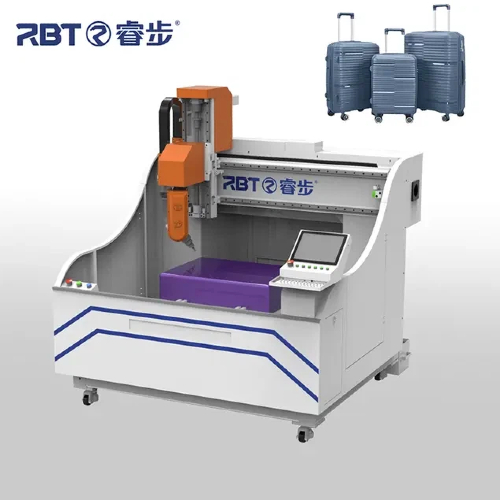
CNC (Computer Numerical Control) cutting machines are used to precisely cut and shape components of luggage. These machines help ensure that all parts of the luggage are perfectly fitted, providing a seamless fit for the 3-1-1 bags. The precision of CNC cutting also contributes to the creation of compartments and zippers that are easy to access, making packing and unpacking more efficient.
Now that you understand the basics of the 3-1-1 rule and how luggage manufacturing machines contribute to TSA compliance, let’s dive into some practical tips for managing the rule more effectively.
Pre-pack Your Liquids:
Before you even start packing your carry-on, ensure that all liquid items are pre-packed into the clear quart-sized bag. Keep this bag at the top of your carry-on for easy access during security screening.
Double-check Sizes:
Make sure that all your containers are under 3.4 ounces. It’s always best to buy travel-size toiletries or use smaller bottles to avoid any issues during the security process.
Know the Exceptions:
If you’re carrying medications or baby formula, TSA has special exemptions for these items. Make sure you inform the security officers beforehand and have the items easily accessible in case they need to be inspected.
The 3-1-1 rule for luggage plays a crucial role in ensuring safety and efficiency at airport security checkpoints. Understanding and adhering to this rule will make your journey smoother and more stress-free, allowing you to focus on your trip rather than on security concerns. By following the packing guidelines outlined above, you’ll be ready to navigate the security process without delays or issues.
Additionally, modern luggage manufacturing technologies, such as extruder sheet machines, vacuum forming machines, and CNC cutting machines, ensure that luggage is both functional and compliant with TSA regulations, making travel easier for everyone.
When choosing luggage, look for products that offer durability, easy access, and design features that help streamline your security process. Investing in high-quality luggage ensures that your 3-1-1 bag fits perfectly and that you’re ready for any travel scenario.
The 3-1-1 rule refers to TSA regulations regarding liquids in carry-on luggage. Liquids must be in containers of 3.4 ounces (100 milliliters) or less, placed in one quart-sized, clear plastic bag, with only one bag per passenger.
No, TSA regulations allow only one 3-1-1 bag per passenger, and all liquids must fit within that single bag.
Any liquid, gel, or aerosol, including toiletries like shampoo, toothpaste, sunscreen, and gel-based products like hand sanitizer, must comply with the 3-1-1 rule.
Machines like extruder sheet machines and vacuum forming machines help produce clear plastic bags and durable luggage that facilitate TSA compliance, offering easy access and functional compartments for travelers.
Yes, the 3-1-1 rule only applies to carry-on luggage. You can pack larger containers of liquids in checked baggage, though some restrictions may still apply.


