

Views: 0 Author: Site Editor Publish Time: 2026-03-18 Origin: Site
When traveling, you’ve probably heard the terms “baggage” and “luggage” used interchangeably. But are they really the same? For many, the distinction is subtle, but for those in the travel industry or luggage manufacturing, understanding the difference is essential.
In this article, we’ll explore the key differences between luggage and baggage, diving into their definitions, uses, and how they apply to the modern travel landscape. We’ll also look at the role of technology and advanced machinery in luggage manufacturing, particularly the equipment used by companies like RBT Machinery to produce high-quality luggage for travelers worldwide.
By the end of this article, you'll have a deeper understanding of these terms and the technologies that power modern luggage production.
Luggage refers to the containers travelers use to carry their personal belongings, often during trips or vacations. It can include a variety of bags and containers, such as suitcases, duffel bags, backpacks, and even rolling bags. Luggage is typically designed to be durable, portable, and easy to store.
There are several types of luggage, each suited for different travel needs. Below is a breakdown of the most common types:
Type of Luggage | Description |
Suitcases | Large rectangular bags with a hard or soft exterior, designed for longer trips. Often comes with wheels. |
Carry-ons | Smaller bags that fit within airline size restrictions, perfect for short trips or as an additional bag. |
Duffel Bags | Cylindrical-shaped bags made of soft fabric, used for casual trips or sports equipment. |
Backpacks | Flexible bags carried on the back, popular for hiking or as an everyday bag. |
Travel Totes | Large bags typically used for short trips or as an additional carry-on item. |
Luggage serves a practical purpose, making it easier to transport personal belongings from one location to another. Its functionality and durability are key factors for travelers. Whether you're heading on a short business trip or an extended vacation, having the right luggage is essential to ensuring that your items are secure and easy to manage.
Additionally, modern luggage is designed to meet the needs of contemporary travelers. This includes features such as expandable compartments, lightweight materials, and integrated locks for added security.
The term “baggage” is often used interchangeably with luggage, but it carries a broader meaning. While luggage typically refers to the physical containers used to carry personal items, baggage encompasses all of a traveler’s belongings during their journey. This includes not only checked luggage (such as suitcases, bags, and larger containers) but also carry-ons (backpacks, duffel bags, handbags, etc.) that a traveler keeps with them during the flight. Essentially, baggage refers to the total collection of items a person carries throughout their travel experience, both before and after check-in.
In the context of air travel, baggage includes both the personal items you check in with the airline and the belongings you take onboard with you, like your carry-on bag. It’s important to note that while luggage focuses on the containers used for storage, baggage refers to the contents inside those containers. The term is more generalized and broadly used in the travel industry to describe all personal possessions involved in a journey.
Airports have highly specialized systems in place to manage baggage. Automated baggage handling systems are one of the most important technological advancements used to efficiently move luggage from check-in to baggage claim. These systems use a combination of conveyors, barcode scanners, and robotic arms to ensure bags are processed quickly and accurately, reducing the likelihood of lost luggage and improving overall efficiency. As air travel has increased over the years, these systems have become crucial for handling large volumes of passengers and their belongings, ensuring smoother travel experiences.
Although the terms “luggage” and “baggage” are often used interchangeably, there are subtle distinctions that are important for understanding their usage, especially in the context of travel and luggage manufacturing.
The main difference lies in the focus of the terms:
Luggage: Refers specifically to the containers (suitcases, bags, backpacks) used to carry personal items.
Baggage: Refers more broadly to the total collection of personal items that a traveler carries, including both checked luggage and carry-on bags.
The distinction becomes clearer in different contexts:
Luggage: More often used to describe the bags themselves (e.g., "I need to pack my luggage").
Baggage: Used to describe the full set of items (e.g., "I need to check my baggage" or "Baggage claim").
In an airport setting, you might hear announcements like “Baggage claim for Flight 101 is now available,” referring to the location where all personal belongings are retrieved.
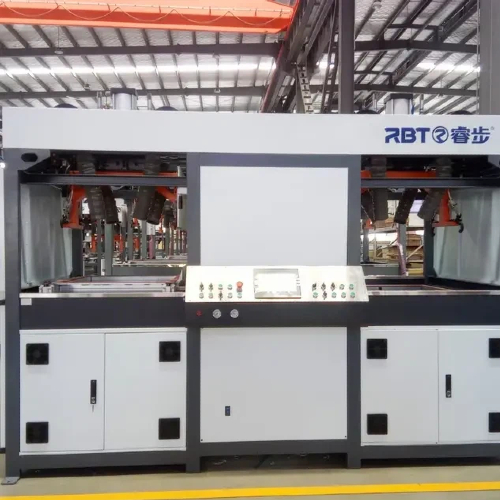
Luggage manufacturing has evolved considerably, thanks to advances in technology. Today, the production of high-quality luggage involves specialized machinery designed to create durable, lightweight, and functional products. Companies like RBT Machinery are at the forefront of this innovation, offering cutting-edge equipment for luggage production.
RBT Machinery plays a significant role in the luggage manufacturing process by providing various machines that help create the high-quality luggage we use today. Some of the machinery offered by RBT Machinery includes:
Machine Type | Function |
Vacuum Forming Machine | Used for creating hard-shell luggage, where plastic sheets are heated and molded into the shape of the luggage shell. |
CNC Cutting Machine | Used for cutting luggage components with precision. Ideal for ensuring high-quality and uniform parts. |
Industrial Sewing Machines | These machines are designed for stitching soft-shell luggage, backpacks, and other fabric-based travel bags. |
Automatic Assembly Lines | Helps streamline the assembly process for large-scale luggage production, reducing manual labor and increasing efficiency. |
The use of advanced machines like vacuum forming machines and CNC cutting machines ensures that luggage is both durable and lightweight. These machines help manufacturers produce luggage components that are precise and uniform, which is crucial for maintaining quality standards.
For example, vacuum forming machines create hard-shell luggage cases by using heat and pressure to mold plastic into the desired shape. This process ensures the luggage is both strong and light, making it easier for travelers to manage.
CNC cutting machines ensure that each component of the luggage fits perfectly together, providing a seamless finish. These machines use computer-controlled precision to cut and shape the materials, reducing errors and waste.
Luggage has come a long way from the traditional wooden trunks and leather bags used centuries ago. Today’s luggage is designed with the modern traveler in mind, incorporating innovative materials and smart technology to enhance the travel experience.
Modern luggage trends include:
Smart Luggage: Luggage equipped with GPS tracking, USB charging ports, and even biometric locks to enhance security and convenience.
Lightweight Materials: Advanced materials like polycarbonate and high-strength nylon are used to make luggage both durable and light.
Sustainability: Increasing demand for eco-friendly luggage, made from recycled materials or sustainable practices.
As luggage manufacturers adapt to these trends, companies like RBT Machinery help them stay ahead by offering the machinery needed to produce the latest designs. The company's vacuum forming machines and CNC cutting technology enable manufacturers to create innovative luggage with precise, durable components that meet the demands of modern travelers.
In conclusion, while luggage and baggage are often used interchangeably, understanding their subtle differences can enhance our comprehension of how they relate to modern travel. Luggage refers specifically to the containers we use to carry our belongings, while baggage encompasses all of a traveler’s personal items, including both luggage and carry-ons.
Moreover, the technology behind luggage manufacturing plays a critical role in ensuring that today’s travel bags are not only functional but also durable and lightweight. Companies like RBT Machinery contribute to this by providing advanced machinery that streamlines production and improves the quality of luggage.
As the travel industry continues to evolve, so will the luggage we use to transport our belongings. With the help of innovative machinery, the future of luggage manufacturing looks bright, ensuring that travelers have access to high-quality, efficient, and stylish luggage for years to come.
Luggage refers specifically to the containers (suitcases, bags) used to carry personal belongings, while baggage refers to the total collection of personal items that a traveler carries, including checked luggage and carry-ons.
RBT Machinery offers advanced vacuum forming machines to create durable luggage shells, CNC cutting machines for precision manufacturing, and industrial sewing machines for stitching soft-shell luggage. These machines ensure high-quality and efficient production.
Modern luggage is made from lightweight, durable materials such as polycarbonate, high-strength nylon, and recycled plastics. These materials help reduce weight while ensuring the luggage is strong and long-lasting.
Yes, thanks to advanced manufacturing techniques and materials like those produced with vacuum forming and CNC cutting, luggage can be both durable and lightweight, making it easier to carry while ensuring it protects your belongings.
Luggage technology, including smart features like GPS tracking, biometric locks, and USB charging ports, enhances security and convenience for travelers. It helps ensure that luggage is secure and accessible during your trip.


