

Views: 0 Author: Site Editor Publish Time: 2026-03-19 Origin: Site
Cheap flights look exciting at first, but baggage often changes the final cost. Low cost airlines keep base fares low, then charge separately for carry-on and checked baggage. Many travelers focus on the ticket price and overlook the baggage rules until they reach the airport.
Understanding low cost airline baggage policies helps you avoid surprise fees and make smarter booking decisions. In this article, you will learn how baggage allowances work, how airlines structure their fees, and how to pack strategically. By the end, you will know how to control your travel budget and fly with confidence.
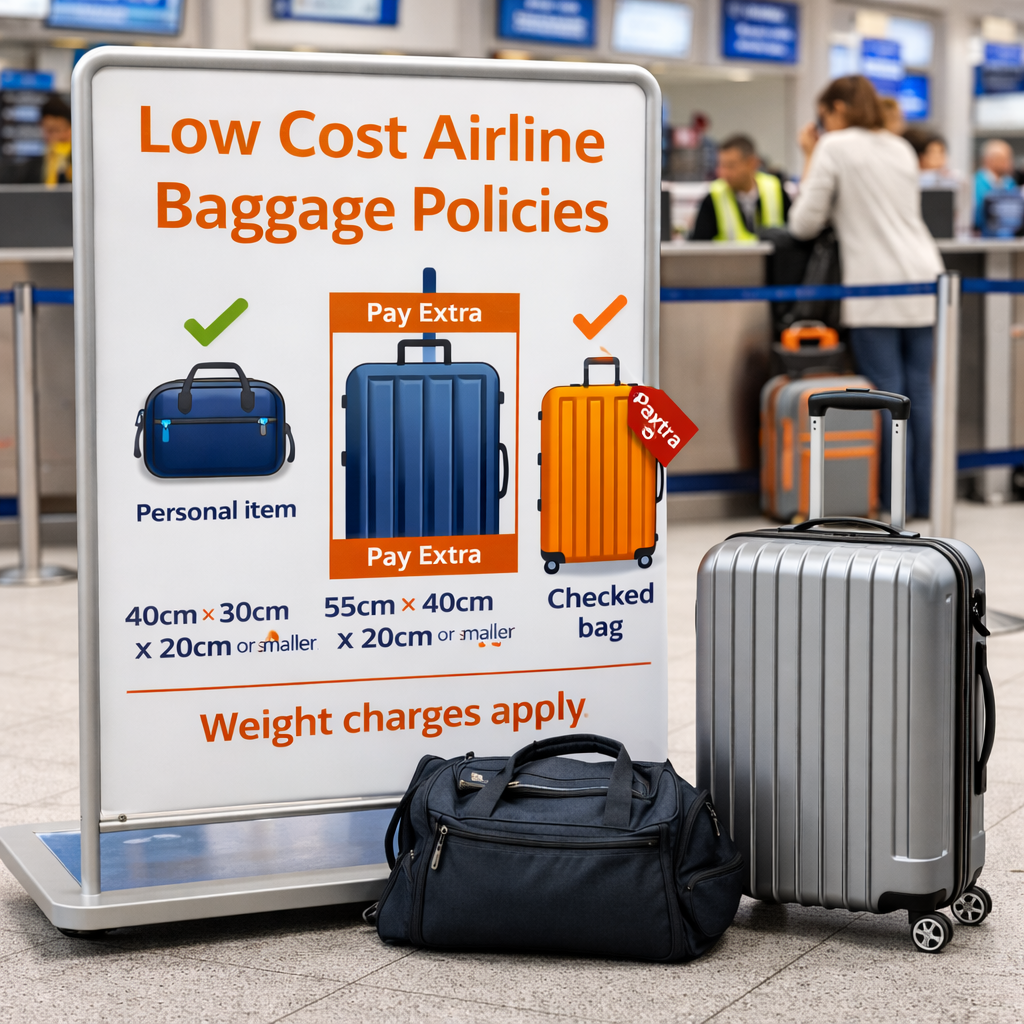
Low cost carriers (LCCs) often use “unbundled pricing.” They keep the base fare low, then charge for add-ons. Baggage is one of the biggest add-ons, so it’s where rules feel strict.
On many low cost airlines, the cheapest fare includes only a personal item:
● Think small backpack, purse, or laptop bag
● It must fit under the seat
● The airline publishes exact dimensions—and they enforce them
If you show up with something bigger, they may reclassify it as a carry-on and charge you. The key idea: the base fare is built for travelers who can keep baggage small.
Low cost airlines separate cabin and checked baggage clearly. Each has its own pricing and rules. It is important to compare them before booking.
Type of Baggage | Where It Goes | Usually Included in Base Fare | Size Focus | Weight Focus |
Personal Item | Under seat | Yes | Very strict | Often no weight limit |
Carry-On | Overhead bin | No | Strict | Sometimes limited |
Checked Baggage | Cargo hold | No | Less strict | Strongly limited |
Carry-on baggage often has fixed dimensions around 55–56 cm height. Checked baggage usually comes in weight tiers such as 18kg, 20kg, or 23kg. Airlines price them differently depending on route and season.
Low cost airlines price baggage based on when you buy it:
● Cheapest: during booking or online before the trip
● More expensive: at airport check-in
● Most expensive: at the gate (when a bag fails the personal item check)
This pricing nudges travelers to commit early. For business travel managers, it’s also a process issue: if travelers wait, the trip cost becomes unpredictable.
Two rules drive most fees:
1. Size limits (does it fit the sizer?)
2. Weight limits (does it pass the scale?)
Some carriers focus heavily on cabin bag size. Others push strict cabin weight limits like 7–10 kg (varies by airline and route). Overweight or oversized baggage can trigger steep charges.
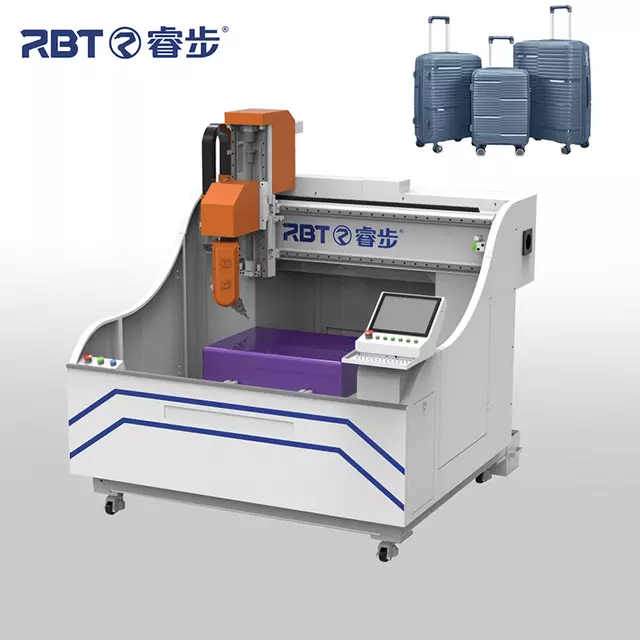
This is why luggage design matters. When airlines enforce low weight limits, travelers benefit from lighter shells, better wheels, and efficient interior layouts. In the manufacturing world, suppliers such as RBT Machinery (luggage production equipment provider) support brands by helping produce lighter, consistent, size-accurate luggage through more precise forming and cutting systems.
Not all low cost airline baggage policies feel the same. Two flights can have similar prices but very different baggage rules. Your goal is to compare what you actually need—not what the base fare advertises.
Many ultra-low-cost models start here:
● One small personal item included
● Carry-on baggage costs extra
● Checked baggage costs extra
This setup works well when:
● The trip is short
● The traveler packs light
● The route is simple (fewer connections)
For operations teams, it can also reduce overhead bin congestion. But it requires travelers to understand personal item sizing.
Other airlines allow passengers to choose weight packages. You may add 20kg, 23kg, or more. This flexible system helps families and long-stay travelers.
Travel Scenario | Recommended Baggage Option | Reason |
2-day trip | Personal item or carry-on | Light packing |
5-day trip | Carry-on + 20kg checked | Balanced flexibility |
10-day trip | 23kg checked baggage | More clothing |
Group travel | Pre-booked shared plan | Cost efficiency |
This structure gives control. It also requires careful selection during booking.
A few carriers include checked baggage in certain fare types (or have business-friendly bundles). This changes the math:
● Higher ticket price
● Lower surprise fees
● Faster decisions for travelers
When you compare carriers, look at total cost per traveler, including baggage and seat selection. If you’re reporting travel costs, this view is more accurate than base fare averages.
Modern baggage must be light, strong, and stable. Travelers want it to stay within airline weight limits while still protecting their items. It also needs to handle stacking, loading, and constant movement through airports. To achieve this balance, manufacturers improve materials and refine production methods.
Performance Goal | Why It Matters | Production Focus |
Lightweight design | Helps stay within airline baggage limits | Use of lighter materials and optimized structures |
Strong shell structure | Protects contents during handling | Improved forming methods |
Stable movement | Rolls smoothly when fully packed | Better control of shell thickness and rigidity |
In production, this often means more precise forming techniques and improved control of material thickness. For example, thermoforming methods can enhance weight efficiency and structural consistency, depending on the material and brand.
Companies such as RBT Machinery position their equipment around “intelligent” production workflows for luggage manufacturing, aiming for consistent output and reduced waste.
Airline sizers don’t care if your bag is “close enough.” They care if it fits.
That pushes brands to pay attention to:
● Tight tolerances on exterior dimensions
● Smooth corners that don’t snag sizers
● Stronger frames that keep the bag from bulging
Manufacturing technologies like CNC-driven optimization and controlled forming can help maintain consistent dimensions across product runs. The practical result for travelers: fewer “it usually fits” situations.
Sustainability shows up in baggage production in a few ways:
● More recyclable materials
● Less wasted material in cutting and trimming
● Energy efficiency in production lines
Some luggage equipment providers, including RBT Machinery, highlight sustainability practices like using recycled/recyclable materials and energy-efficient processes.
Many low cost airlines follow similar carry-on baggage size ranges. However, personal item limits are usually smaller and more strictly enforced. Some carriers use metal sizers at the gate, and overpacked bags may not pass if they bulge.
Baggage Type | Typical Dimension Range | Key Reminder |
Carry-On Bag | ~55–56 cm height | Must fit overhead bin |
~35–45 cm width | Size includes wheels | |
~20–25 cm depth | No bulging allowed | |
Personal Item | Smaller than carry-on | Must fit under seat |
A simple rule works best: pack your bag first, then measure it while fully loaded. That measurement reflects the real travel size.
Some airlines allow:
● 1 cabin bag + 1 personal item
● One combined weight limit (common on certain routes)
If the combined limit is 7 kg, a heavy laptop plus a charger can quickly eat the allowance. This is why lightweight luggage and smart packing matter so much on LCCs.
Many airlines sell priority packages that can include:
● A larger carry-on baggage allowance
● Better odds of overhead bin space
● Faster boarding (useful for tight connections)
Sometimes it’s cheaper to buy priority than to buy carry-on baggage late. So compare:
● carry-on fee alone
● vs.bundle including carry-on + boarding perks
Strategy | Core Action | Main Benefit |
Weigh at Home | Use a luggage scale | Avoid surprise fees |
Choose Light Bag | Lower empty weight | Maximize allowance |
Wear Heavy Items | Jacket, shoes, pockets | Reduce bag weight |
Compress Smartly | Fewer, versatile clothes | Save space and volume |
A small luggage scale can prevent most surprises. It also helps you decide:
● Do we shift items from carry-on to checked baggage?
● Do we remove bulky clothing?
● Do we upgrade baggage online?
For work travel, this step saves time at check-in and reduces the chance of a delayed boarding line.
Your suitcase weight is part of your allowance. A heavy empty case is a budget problem.
When you shop for baggage, look for:
● Lower empty weight
● Strong handles (they break first)
● Wheels that roll easily when heavy
● A shape that stays within size limits even when full
Even if you don’t buy new luggage, you can “lighten” a trip by switching to a smaller bag or a soft-sided bag that compresses into sizers (as long as it doesn’t bulge).
If you’re close to the limit:
● Wear your jacket
● Put heavier shoes on your feet
● Keep small heavy items in pockets (power bank, adapters)
This feels basic, but it works. It also keeps your baggage compliant without adding a new fee.
Compression bags reduce volume. Multi-purpose items reduce quantity. Together, they cut both weight and size risk.
Try a simple packing rule:
● 1–2 neutral tops
● 1 bottom that matches both
● 1 outer layer that works in multiple temperatures
If you’re traveling for business, add one flexible outfit that covers meetings and dinner. You’ll pack fewer items and stay within cabin baggage limits.
Budget travel is not just about the fare. It’s about the final receipt.
The base fare might look great, but the real trip cost often includes:
● Carry-on baggage
● Checked baggage
● Seat selection (sometimes needed for teams)
● Priority boarding (sometimes bundled with baggage)
A good approach is to price your trip in two scenarios:
● Light traveler (personal item only)
● Standard traveler (carry-on + checked baggage)
This creates predictable budgeting.
The same bag can cost very different amounts depending on when you pay. For most LCCs:
● online pre-purchase = best price
● airport counter = higher
● gate payment = highest
That means policy is also a behavior problem. When travelers delay decisions, the company pays more.
Bundles can be worth it when they match real needs. They often include:
● carry-on baggage
● checked baggage allowance
● priority boarding
● change flexibility (varies)
If you always end up buying baggage anyway, a bundle can reduce admin work and help with spend control.
Traveler type | Likely baggage needed | Best purchase timing | Best fare approach |
Weekend trip | Personal item or small carry-on | During booking | Base fare + (maybe) carry-on |
4–7 day trip | Carry-on + checked baggage | Online before travel | Bundle if priced close |
Business with laptop | Personal item + carry-on | During booking | Carry-on included fare |
Team/event travel | Consistent carry-on + shared checked baggage plan | Booking policy-driven | Standardized bundle rules |
Note: exact allowances and fees vary by airline and route.
Before you click “pay,” take a moment to verify key baggage details. A quick review can prevent unexpected fees and airport stress. Focus on size rules, weight limits, and purchased tiers before finalizing your ticket.
Checklist Item | What to Confirm | Why It Matters |
Personal Item Dimensions | Exact measurements for your fare; whether wheels and handles are included | Personal item limits are often smaller than expected |
Cabin Baggage Weight | Weight limit; per bag or combined allowance | Low limits require careful packing of heavy items |
Checked Baggage Tiers | 18kg, 20kg, 23kg options | Online upgrades are cheaper than airport overweight fees |
After checking these details, compare them to your fully packed bag. This simple step keeps your baggage compliant and your travel budget under control.
Understanding low cost airline baggage policies helps protect your budget and avoid costly gate surprises. When you know how personal items, carry-on baggage, and checked baggage work, you can compare total costs and book wisely.
Smart packing and lightweight, size-accurate baggage make travel smoother and more predictable. Behind many durable, efficient luggage solutions, RBT Machinery supports manufacturers through advanced production technology, helping create high-quality baggage that meets strict airline standards and delivers long-term value.
A: Low cost airline baggage policies define what type of baggage is included in your base fare and what requires an extra fee. Most budget airlines include only a small personal item, while carry-on and checked baggage must be purchased separately.
A: They use an unbundled pricing model to keep ticket prices low. By charging separately for baggage, airlines allow travelers to pay only for what they need while reducing aircraft weight and operating costs.
A: Check the airline’s baggage size and weight limits before booking. Pre-purchase any needed baggage online, weigh your bag at home, and choose lightweight luggage to stay within the allowed limits.
A: Not always. Carry-on baggage can be cheaper for short trips, but some airlines offer bundle fares that include checked baggage at a better overall value. Comparing total cost before booking is important.
A: If your baggage is oversized or overweight, the airline may charge additional fees at the airport or gate. These fees are usually higher than online pre-booked rates, so preparation is key.
A: Lightweight and precisely manufactured baggage helps travelers stay within strict size and weight limits. Modern production technologies allow luggage brands to create durable, airline-compliant baggage that reduces the risk of extra charges.


