

Views: 0 Author: Site Editor Publish Time: 2026-03-13 Origin: Site
In the world of luggage production, CNC cutting machines have become essential tools for precision and efficiency. These machines are used in many stages of the manufacturing process, including CNC punching operations, which involve punching or perforating materials such as leather, fabric, and synthetic plastics. A CNC cutting machine helps ensure that the necessary holes for zippers, pockets, and other components are accurately positioned.
However, like any advanced machinery, CNC cutting machines can face operational issues that affect production. When problems arise, the impact on efficiency, cost, and product quality can be significant. Troubleshooting these issues quickly and accurately is crucial to maintaining the flow of production. This article will discuss the common problems encountered in CNC punching operations, how to diagnose them, and solutions to resolve these issues to ensure smooth operation.
CNC punching is a type of machining process where a tool is used to punch holes in a material following precise instructions from computer software. In the context of luggage production, CNC cutting machines are used to create accurately punched holes for various parts of the luggage, such as:
Zipper holes
Handles and straps
Structural perforations for weight reduction
The punching process involves applying a mechanical force to the material to produce holes or perforations. For optimal results, this process must be carried out with high precision to ensure that all punched holes are perfectly aligned and sized.
CNC punching machines provide a high degree of accuracy, consistency, and speed, making them ideal for large-scale production environments. These machines can handle different materials, including fabric, leather, and various plastics used in hard-shell luggage. However, operational problems can occur, leading to issues in punching quality, efficiency, and machine functionality.
While CNC punching operations can be very efficient, several issues may arise during production. Identifying these problems early on is crucial to preventing production delays or product defects.
One of the most common issues in CNC punching machines is inconsistent punching depth. This issue occurs when the punching tool does not penetrate the material uniformly, leading to uneven or shallow cuts. This can significantly affect the overall quality and fit of the luggage components.
Worn-out punching tools that are no longer sharp enough to make deep cuts.
Improper machine calibration, where the punching depth settings are incorrect.
Material inconsistencies, such as varying thickness or hardness across the sheet.
Misalignment of the punching tool is another common issue in CNC cutting machines. If the tool is not aligned properly with the material, it can cause miscut holes, leading to defective products.
Improper installation of the punching tool, resulting in misalignment during operation.
Vibrations or machine instability, which can shift the tool off-center during punching.
Over time, punching tools can become worn out due to constant use. This wear can result in the tool losing its sharpness, causing inaccurate punches and reducing cutting efficiency.
Heavy usage of punching tools without adequate maintenance.
Inadequate tool material quality or failure to use proper tools for the material being cut.
If the material is not fed properly into the CNC cutting machine, it can result in inconsistent cuts and alignment issues. Material feeding issues can severely affect the punching process, causing defects in the punched holes.
Incorrect material loading or improper positioning of the material on the machine bed.
Worn-out feed rollers or misalignment of the feed system.
Machine calibration issues that cause the feeding mechanism to misalign.
Incorrect tool settings are a common issue in CNC punching operations. These settings control various aspects of the punching process, such as punching depth, tool speed, and material feed rate. Improper tool settings can result in suboptimal cuts, material wastage, or even damage to the punching tool.
Incorrect programming or misconfigured software settings.
Operator error, such as selecting the wrong tool or material type.
Failure to adjust tool settings according to material changes.
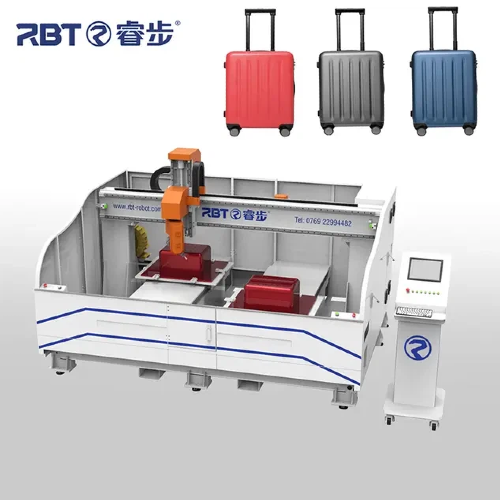
Diagnosing issues with a CNC cutting machine requires a combination of visual inspections, software diagnostics, and operational monitoring. Here's how you can identify common problems:
Regular visual inspections of the punching tool and material can help identify many common issues. Look for signs of:
Tool wear such as dullness, chipping, or distortion.
Misalignment of the punching tool relative to the material.
Irregularities in the punched holes, such as varying depths or off-center punches.
Many modern CNC cutting machines come with built-in software that can help identify issues. Error codes and machine alarms can point to specific issues like misalignment or incorrect tool settings. By reviewing these codes, operators can quickly diagnose and correct the problem.
Regularly tracking machine performance metrics such as cutting speed, tool pressure, and material feed rate can provide early indicators of problems. Monitoring deviations from normal operating ranges can help pinpoint the root cause of issues.
Diagnostic Method | What It Identifies | How It Helps in Troubleshooting |
Visual Inspection | Tool wear, misalignment, inconsistent cuts | Helps identify wear and alignment issues quickly. |
Software Diagnostics | Error codes, machine alarms, tool settings issues | Pinpoints problems related to machine settings or malfunctions. |
Performance Monitoring | Deviation in cutting speed, material feed rate, tool pressure | Identifies performance anomalies caused by tool wear or calibration issues. |
Now that we’ve identified some of the common issues in CNC punching operations, let’s explore solutions to address them.
To resolve inconsistent punching depth, ensure the machine is properly calibrated, and check the condition of the punching tool:
Recalibrate the machine to ensure the punching depth settings are correct.
Sharpen or replace the punching tool if it’s worn out.
Misalignment of the punching tool can be fixed by:
Adjusting the tool holder and ensuring it is properly installed.
Checking for vibrations and stabilizing the machine to prevent shifting during punching.
If the punching tool is worn out, it’s essential to replace or sharpen it. Regular inspection and maintenance of tools are crucial:
Replace tools as needed based on their wear levels.
Use high-quality tools designed for the specific material you are punching to ensure better performance.
Material feeding issues can be fixed by:
Properly loading the material into the machine and ensuring it's aligned correctly.
Replacing worn-out feed rollers and recalibrating the feed system.
Adjusting machine settings to ensure smooth feeding.
Ensure that the tool settings are properly configured for the material being punched. Here’s what can help:
Check software settings to ensure the correct punching depth and speed.
Set the material type and thickness correctly in the machine's software for optimal cutting.
Preventative maintenance plays a critical role in avoiding common issues in CNC punching operations. Regularly scheduled maintenance helps to extend the lifespan of the machine and maintain its optimal performance.
Inspect the punching tools for signs of wear or damage.
Check the material feed system to ensure smooth operation.
Clean the machine bed and tool holders.
Lubricate moving parts to reduce friction.
Perform a machine alignment check to ensure precision.
Inspect and replace any worn parts such as feed rollers.
Perform a full calibration of the machine.
Replace any tools that have exceeded their recommended lifespan.
Inspect the software and hardware for updates and ensure proper functionality.
While many issues can be resolved through basic troubleshooting and maintenance, there are times when professional help is necessary:
Complex machine malfunctions that cannot be identified through software diagnostics.
Extensive tool damage that requires advanced repair or replacement.
Persistent material feeding issues that cannot be corrected with simple adjustments.
In such cases, it is crucial to contact a qualified technician who can carry out advanced diagnostics and repairs. Regular servicing by professionals can also ensure the long-term health of your CNC punching machine.
Maintaining the optimal performance of your CNC cutting machine is crucial for the smooth operation of your luggage production line. By identifying and resolving common issues like inconsistent punching depth, misalignment, tool wear, and material feeding problems, manufacturers can ensure higher product quality, reduce downtime, and enhance production efficiency. Regular maintenance and correct tool settings also play a significant role in preventing these issues.
If you're facing challenges with your CNC punching machine or need expert advice on optimizing your machinery, we are here to help. Our team at RBT Machinery specializes in providing high-quality machinery solutions and expert support for luggage manufacturers. We can guide you in troubleshooting, maintenance, and selecting the best equipment to meet your production needs.
Feel free to contact us for more information or to discuss how we can assist in improving the efficiency of your CNC cutting operations. Let us help you keep your production process running smoothly and efficiently.
Common issues include inconsistent punching depth, misalignment of punching tools, tool wear, material feeding problems, and incorrect tool settings.
Misalignment can be detected through inconsistent punching results, such as uneven cuts or irregular perforations. A visual inspection and realignment of the punching tool can help correct this issue.
Punching tools should be regularly inspected for wear. Depending on usage, tools may need replacement or sharpening every 6 to 12 months to maintain cutting precision.
Material feeding issues may arise from improper loading, worn-out feed mechanisms, or incorrect machine settings. Ensuring proper alignment and regularly checking the feed system can help prevent these problems.
Tool settings can be adjusted through the machine’s control panel or software. Ensure the settings match the material type and thickness for optimal punching performance.


