

Views: 0 Author: Site Editor Publish Time: 2026-03-23 Origin: Site
Most people think packing more means buying bigger luggage. In reality, the smarter move is learning how to use the space you already have. Many travelers say packing is the most stressful part of a trip, often because they overpack or forget essentials.
In this article, we will explore how to maximise luggage packing space using practical, proven strategies. You will learn how to plan better, choose the right clothing, and use packing techniques that truly save space. We will also touch on how modern luggage design helps create more usable interior room.
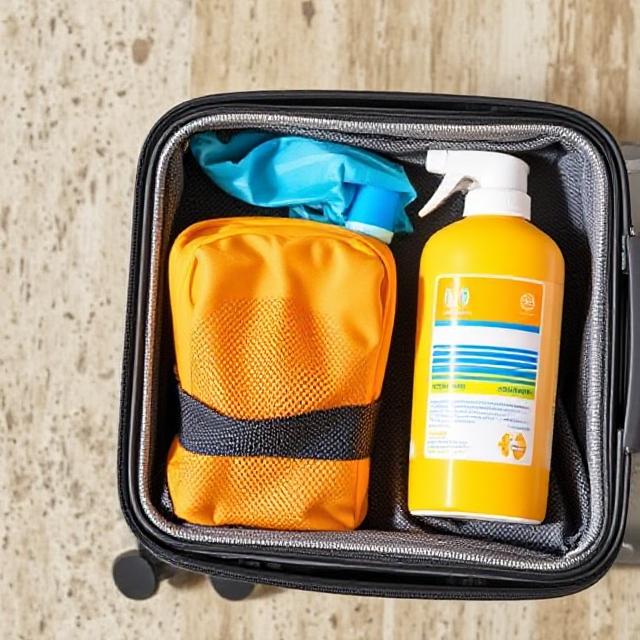
Open the suitcase and examine it carefully. Notice how the compartments divide space. Check if it uses compression straps, mesh panels, or a split-shell structure. Each layout demands a slightly different approach.
Key areas to evaluate:
● Depth of the main compartment
● Flexibility of side panels
● Expansion zipper capacity
● Strength of internal dividers
High-quality luggage often balances durability and thin shell construction. The document describes RBT Machinery investing in advanced thermoforming and material applications for luggage production. That kind of technology helps manufacturers reduce unnecessary thickness while maintaining strength. When structure improves, interior packing efficiency improves as well.
A list prevents emotional packing. We often add “just in case” items. They multiply fast. Instead, we use a structured ratio model.
Example 7-Day Packing Framework:
Category | Suggested Quantity | Purpose |
Socks & Underwear | 5 pairs | Rotation and backup |
Tops | 4 | Mix and match |
Bottoms | 3 | Versatility |
Shoes | 2–3 | Function-based |
Outerwear | 1 | Weather layer |
This ratio keeps volume predictable. We can scale it up or down, yet the balance remains.
If you manufacture luggage, publish realistic packing examples for each size category. It builds trust and reduces customer uncertainty.
Clothing fabric matters more than most people realize. Denim, knits, and performance blends compress well and resist wrinkles. Linen and thick structured fabrics demand more space and attention. When we choose adaptable pieces, we reduce volume while keeping outfit options flexible.
Clothing dominates luggage volume. How we arrange it determines whether the suitcase feels cramped or controlled.
Rolling transforms soft fabric into tight cylinders. It allows us to fill curved edges and narrow gaps efficiently. This method works best for casual clothing and flexible materials.
Rolling benefits:
● Fills irregular spaces
● Reduces stacking height
● Minimizes wrinkles in knits
We smooth the garment, fold sleeves inward, then roll firmly from bottom to top. It sounds simple because it is.
Structured garments need folding. Blazers, collared shirts, and dress slacks maintain shape when layered flat. Folding prevents sharp creases and keeps the suitcase surface stable. It also creates a smooth base layer, which supports rolled items placed above and reduces shifting during travel.
Bundle packing wraps garments around a central core. It reduces friction during movement. Fewer friction points mean fewer wrinkles. This method works especially well for longer trips, where clothes remain packed for several days and movement inside the luggage increases.
Quick Comparison of Clothing Techniques:
Method | Space Efficiency | Wrinkle Control | Best For |
Rolling | High | Medium | Casual wear |
Folding | Medium | High | Structured items |
Bundling | Medium–High | High | Mixed outfits |
Each method serves a purpose. We combine them instead of choosing one exclusively.
Heavy pieces go at the base near wheels. Light pieces go on top. Shoes anchor the structure. This balance prevents shifting and protects delicate items. It also improves weight distribution, making the luggage easier to roll and more stable during long walks through airports.
We wear coats and boots during travel. It reduces luggage volume instantly. It also helps us adapt to changing airport temperatures. Layering smartly during transit frees interior space and keeps essential items accessible without overstuffing the suitcase.
Packing cubes help you pack like a grid:
● cube for tops
● cube for underwear/socks
● cube for workout gear
They also speed up hotel stays. You lift out one cube instead of unpacking your whole luggage.
Choosing the right cube sizes makes packing more efficient. Instead of guessing, match cube size to category type and travel flow. A simple structure keeps your luggage organized from departure to return.
Cube Size | Best For | Why It Works |
Large Cube | Tops and main clothing items | Holds bulkier categories neatly and stacks well |
Small Cube | Socks, underwear, chargers | Controls small, messy items and prevents clutter |
Small (Partly Empty) | Return packing space | Leaves room for souvenirs or added items |
Compression cubes add a zipper that tightens the cube after you fill it. They don’t “break physics,” but they do remove extra air and reduce fluff.
They work best for:
● sweaters
● casual shirts
● underwear
● lightweight pants
They are less useful for:
● stiff fabrics
● thick denim
● anything that’s already dense
Vacuum bags are the maximum compression option. They can be great for:
● winter layers
● puffy jackets (if your bag allows)
● spare bedding for long trips
Just remember: they shrink volume, not weight. Airlines weigh bags, not feelings.
Shoes are hollow space. Use it.
Good items to stuff inside:
● socks and underwear
● chargers and cables
● belts
● sunglasses case (if it fits safely)
Corners are awkward for folded stacks, but great for:
● rolled tees
● thin scarves
● swimwear
● flip-flops
Treat your luggage like a shape puzzle. If a gap exists, it can usually take a roll.
Even a perfect cube layout leaves seams. Slide flat items into those seams:
● a thin book
● travel documents in a folder
● a compact umbrella
● a laptop sleeve (if your luggage interior allows it)
This keeps the center stable and uses space that would otherwise become “air.”
Keeping shoe count under control protects valuable luggage space. The “Rule of Three” offers a practical balance between versatility and volume. It ensures you are prepared without overcrowding your suitcase.
Shoe Type | Purpose | When to Choose |
Casual / Walking | Daily comfort and long walks | City trips, sightseeing days |
Light Pair (Sandals / Flats) | Relaxed wear or warm climates | Beach trips, summer travel |
Nicer Pair | Dressier occasions | Events, dinners, meetings |
For activity-heavy trips, replace the nicer pair with sport shoes. Keep the total at three to maintain structure and space efficiency.
Place shoes:
● near the wheels (bottom),
● or along the suitcase edges.
That creates a stable frame around which you pack cubes and clothing. It also keeps shoes from denting the center of the bag.
Use a water-resistant toiletry bag to protect clothing from leaks. Choose refillable travel bottles to control volume and reduce unnecessary bulk. Keep liquids minimal and only pack daily essentials. Store the bag in a consistent location inside the luggage so it remains easy to access and does not disrupt your packing structure.
Use one multi-port charger. Store cables in a slim pouch. Pack larger electronics last so they remain accessible during security checks.
Electronics Packing Guide:
Item Type | Placement | Reason |
Laptop | Top layer | Easy security access |
Charger block | Side gap | Balanced weight |
Cables | Slim pouch | Prevent tangling |
The trip doesn’t end when you zip the bag. Packing space can collapse mid-trip if you don’t manage it.
Dirty clothes expand and spread. Give them a home:
● a thin laundry bag,
● a roll-top waterproof bag,
● even a simple plastic bag if you must.
This keeps clean items clean and protects your packing structure.
When you repack, follow the same “zones”:
● cubes in the same place,
● shoes at the perimeter,
● toiletries in one predictable spot.
It takes two minutes and saves ten later.
To maximise luggage packing space, we need a clear system, not tricks. Plan a tighter list. Use rolling, folding, and bundling wisely. Add compression tools for real gains. Fill shoes and corners. Keep toiletries and cables contained. Choose luggage built for usable interior volume.
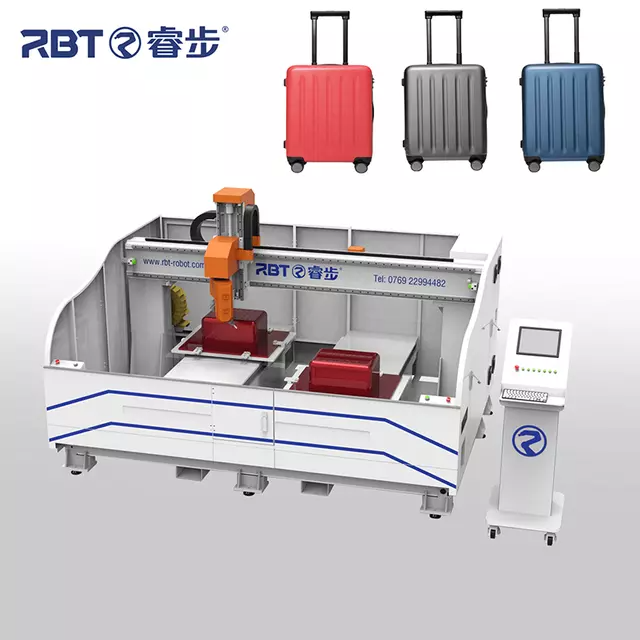
Strong packing also begins in design. RBT Machinery supports luggage manufacturers through advanced equipment and production expertise. Their solutions help create lighter, durable luggage with better space efficiency. When we pack with intention, the bag closes easily, and every trip feels lighter and more organized.
A: The most effective way is to follow a clear system. Start with a tighter packing list, then roll soft clothing and fold structured pieces. Use compression cubes inside your luggage to reduce air gaps and keep items organized.
A: Focus on versatile clothing and limit duplicates. Roll lightweight garments and layer heavier items at the base of your luggage. Filling corners and small gaps helps increase usable space without adding unnecessary items.
A: Poor organization often causes wasted space. When items are stacked randomly, they create empty pockets of air. Using packing cubes and strategic layering improves luggage efficiency and prevents early overflow.
A: Compression cubes are usually better for regular trips because they organize and compress at the same time. Vacuum bags reduce volume more, but they can make luggage heavier and harder to rearrange during travel.
A: Most trips only require two or three pairs. Limiting shoes protects valuable luggage space and keeps weight balanced. Place shoes along the edges to create a stable packing structure.
A: Yes, it does. Well-designed luggage uses durable yet thinner materials, which increases interior capacity. Strong structure and smart layout help maximize usable space and make packing easier.


