

Views: 0 Author: Site Editor Publish Time: 2026-03-12 Origin: Site
Ever had luggage fail mid-trip? A broken wheel or weak handle can quickly turn smooth travel into stress. Choosing the right luggage is not just about style. It affects mobility, protection, and long-term performance.
In this article, we will explore how to choose luggage and the key features to look for before you buy. You will learn about wheels, handles, materials, size, and security. By the end, you will know exactly what makes luggage reliable and worth the investment.
Buying luggage without thinking about travel style leads to regret. We need to match size, structure, and features to how we actually move. A short business trip feels different from a two-week international journey. The suitcase must support the rhythm of the trip.
Carry-on luggage works best for short trips and fast schedules. It saves time at baggage claim. It keeps essentials close during delays. It also reduces risk of lost items.
Checked luggage fits longer travel. It handles bulkier items and heavier packing. It also gives more flexibility when we carry samples or equipment for work.
Travel Length | Recommended Luggage Type | Why It Works |
1–3 days | Carry-on luggage | Fast mobility, no baggage claim |
4–7 days | Large carry-on or small checked | Balanced capacity and control |
7+ days | Checked luggage | More space, better load distribution |
Business travelers value speed and access. They often choose structured luggage and stable spinner wheels. Leisure travelers may prioritize flexibility and expandable space. International travelers usually need stronger shells and reinforced corners because handling is heavier.
Packing style matters just as much. If we pack light, compact luggage feels efficient. If we pack in layers or categories, interior dividers become important. If we often return home with more items, expandability becomes essential.
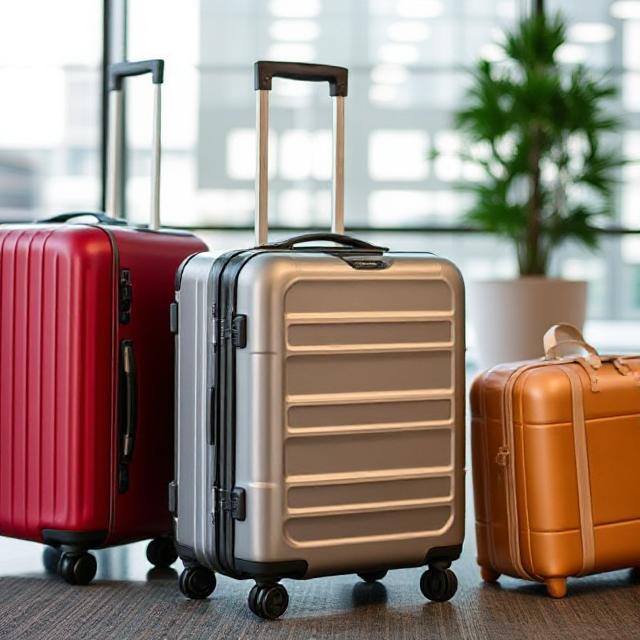
This section is the buyer checklist. If you only read one part, read this one.
Wheels decide how the luggage feels in motion.
Spinner wheels (4 wheels) rotate 360 degrees. They glide through tight spaces. They work great in airports, hotels, and smooth sidewalks. If you move through busy terminals, spinners save effort.
Two-wheel luggage often tracks better on rough ground. It stays stable on slopes and uneven paths. If your trips include cobblestone streets or long outdoor walks, two wheels can feel more controlled.
What to check in store or in product specs:
● Wheel housing looks sturdy, not thin
● Wheels roll smoothly without wobble
● They don’t scrape the shell when turning
If you can, watch videos of the luggage rolling when it’s loaded. Empty tests can hide issues.
A telescopic handle gets used constantly. If it flexes, rattles, or sticks, you’ll notice it every minute.
Look for:
● Multiple height lock positions (so it fits different users)
● A firm lock when extended
● Minimal wobble when you pull it
● Comfortable grip shape
Also check the top and side handles. We lift luggage into cars, trains, and overhead bins. A padded handle helps. A well-anchored handle matters even more.
Material selection shapes durability and performance. Two common categories dominate the market:
Material Type | Key Benefits | Ideal Use Case |
Polycarbonate (Hardside) | Impact resistance, shape retention, water resistance | Checked luggage, fragile items |
Ballistic Nylon (Softside) | Flexibility, lighter weight, external pockets | Carry-on, flexible packing |
Polycarbonate shells protect electronics and fragile items. They keep their structure under pressure. Softside ballistic nylon adapts when packing space changes. It often feels lighter during lifting.
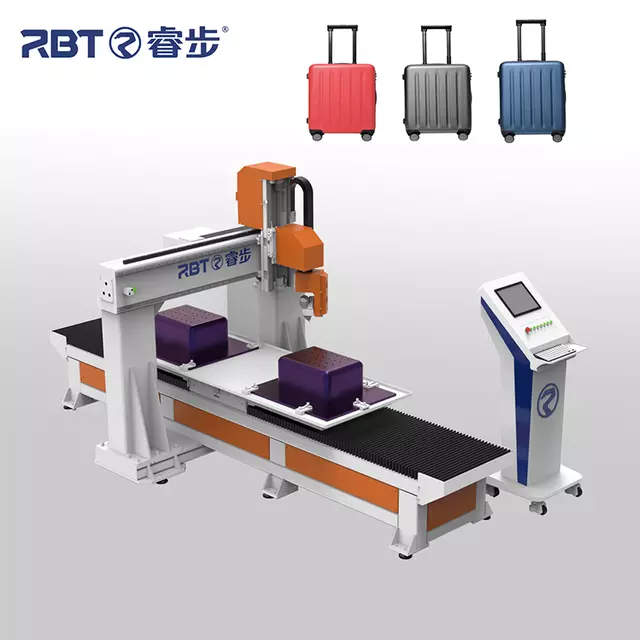
High-quality luggage production depends on controlled forming and precision cutting. Many manufacturers use advanced thermoforming and sheet extrusion processes to ensure uniform shell thickness. Companies like RBT provide intelligent equipment systems that support this level of precision in luggage production. Buyers may not see these processes, but consistent structure and clean seams reflect them clearly.
Zippers look small, but they carry a lot of stress. Weak zippers fail at the worst time—during a rush or mid-trip.
Look for:
● Smooth glide
● Tight stitching along zipper tracks
● Strong pull tabs
● Zipper tracks that look thick and even
Some luggage uses frame closures (no zipper). These can feel very solid and can simplify security. They also change how you pack and open the case, so it’s a preference choice.
Expandability helps when we come home with gifts, samples, or extra items. It’s useful when it keeps the case stable. A good expansion system adds space without making the luggage feel top-heavy.
Hardside luggage works well when you care about structure and protection. It keeps shape even when it’s packed tight. It also protects fragile items better during handling.
It often fits these needs:
● You check bags often
● You pack breakables or tech gear
● You want a clean, modern look
● You prefer clamshell packing
Softside luggage shines when you want flexibility and access. Exterior pockets can make travel feel easier, since you can grab items without opening the whole case.
It often fits these needs:
● You carry on more than you check
● You like quick access to essentials
● You pack in “layers” and adjust during travel
● You value lighter carry and flexibility
Ask one key question: What will it face most—impact or access?
● If impact is the main risk, choose hardside.
● If access and flexibility matter more, choose softside.
Also think about consistency. Leading luggage manufacturers rely on precise production systems and materials testing to keep quality steady. Industry partners like RBT support those production workflows. For buyers, it means the same model often performs consistently, not just the “one good unit” you saw in a store.
Factor | Hardside Luggage | Softside Luggage |
Main Strength | Protection & structure | Flexibility & access |
Best For | Checked bags, fragile items | Carry-on, quick access |
Packing Style | Clamshell, balanced layout | Layered, adjustable packing |
Key Decision | Faces impact | Needs easy access |
Note: “Better” isn’t a single category. The best luggage is the one that matches your route, handling, and packing habits.
Carry-on rules vary. Some airlines measure strictly, some don’t. If we want fewer surprises, we choose a size that works across many airlines.
What helps:
● Check the brand’s listed dimensions (including wheels and handles)
● Prefer a lighter carry-on so lifting into overhead bins is easier
● Choose a shape that holds its structure even when full
If you travel for work, you may also want a carry-on that stands upright and opens in tight hotel rooms.
Checked luggage should balance volume and stability. It needs enough space for longer trips without becoming difficult to control. Reinforced corners and strong wheels support heavier loads during airport handling. A durable frame helps it keep shape under pressure. Weight distribution must remain stable when fully packed, so it rolls upright and does not tip easily.
Luggage Category | Typical Empty Weight Range | Benefit |
Lightweight carry-on | 2–3 kg | Easier lifting, more packing allowance |
Medium checked | 3–5 kg | Balanced capacity |
Large checked | 4–6 kg | Maximum volume |
Choosing lighter luggage increases usable packing weight under airline limits. It also reduces fatigue during long transit days.
When choosing luggage, the opening design affects how easily you pack and access items. Some travelers prefer full visibility and balanced storage. Others prioritize quick access in tight spaces. The right structure depends on where and how you usually pack.
Design Type | How It Opens | Key Benefits |
Clamshell Design | Opens into two equal halves | Clear visibility during packing, even weight distribution, structured layout |
Front-Opening Design | Opens from one front panel like a door | Requires less floor space, quicker access to items, practical for tight spaces |
Clamshell luggage is common in many hardside models because it keeps weight balanced on both sides. Front-opening luggage works well when space is limited and you want to reach items without fully unpacking.
A few features make a big difference:
● Compression straps reduce shifting
● Dividers separate categories
● A simple interior layout keeps it fast
We should look for smart basics over gimmicks. A clean interior often beats a complicated one.
Security and durability protect your time. They also protect business travel budgets.
For travel that involves U.S. airports, TSA-friendly locks help inspections happen without damage. Integrated locks also reduce the chance of losing a separate padlock.
What to check:
● Lock feels solid and smooth
● The mechanism doesn’t stick
● The lock doesn’t block zipper movement
Corners take hits. Frames keep shape. These areas often separate “fine for a few trips” luggage from luggage that lasts.
Signals to look for:
● Reinforced corner design
● A shell that feels even and strong
● Frame alignment that closes cleanly
● Hardware that looks well-fitted
On the manufacturing side, brands may use precision processes (example: CNC optimization in production planning, thermal control during forming—needs verification) to keep parts consistent. You don’t need to know the factory details, but you can look for the results: tight seams, smooth closures, stable handling.
The best luggage balances mobility, durability, smart design, and strong security. We should focus on smooth wheels, stable handles, the right material, proper size, and an organized interior. These features shape comfort on every trip.
Behind reliable luggage stands precise manufacturing. RBT Machinery supports advanced production systems that improve consistency and durability. Their expertise adds long-term value, helping brands deliver luggage that performs well and lasts for years.
A: Start by considering trip length, travel frequency, and airline size rules. The right luggage should match how you travel, whether you prefer carry-on speed or checked capacity. Focus on wheels, handle stability, material strength, and interior organization before deciding.
A: Look for smooth-rolling wheels that feel stable under weight. Spinner wheels offer easy movement in airports, while two-wheel luggage works better on rough surfaces. Strong wheel housing and secure attachment improve long-term durability.
A: Luggage material affects protection, weight, and flexibility. Polycarbonate shells provide impact resistance and structure. Softside fabrics like ballistic nylon offer lighter weight and easier expansion. Choose based on how you travel and what you pack.
A: It depends on your priorities. Hardside luggage protects fragile items and keeps its shape. Softside luggage offers exterior pockets and flexible packing. The best choice matches your travel environment and packing style.
A: Luggage size must fit airline limits, especially for carry-on use. Lightweight luggage allows you to pack more without exceeding weight restrictions. Always check airline guidelines before buying.
A: Quality luggage should have strong zippers or secure frame closures. TSA-approved locks are useful for international travel. Reinforced corners and durable construction also improve protection during handling.


