

Views: 0 Author: Site Editor Publish Time: 2026-03-12 Origin: Site
Maintaining your luggage is crucial to prolonging its life and ensuring it continues to serve you well during travel. Whether you are using soft-sided or hard-shell luggage, proper care and maintenance can make a huge difference. In this article, we will discuss the best practices for keeping your luggage in top shape, highlighting how modern machinery used in the manufacturing process contributes to durability and efficiency. With the right knowledge, you can keep your luggage looking new and performing optimally for many years.
Luggage is an essential item for any traveler. Whether it’s for business trips or vacations, our bags are constantly exposed to rough handling, harsh weather conditions, and even physical wear and tear. Ensuring your luggage stays in good condition requires more than just occasional cleaning. Proper handling, storage, and maintenance are key.
Modern luggage production has come a long way, thanks to the introduction of cutting-edge manufacturing equipment. Companies like RBT Machinery specialize in producing high-quality, durable luggage components through advanced machinery such as Vacuum Forming Machines, CNC Cutting Machines, and Sewing Machines. These technologies are used to create luggage that is strong, lightweight, and long-lasting, ultimately reducing the need for frequent repairs.
By caring for your luggage properly, you ensure that it can withstand the rigors of travel and serve you for many years.
Choosing the right luggage is the first step in ensuring its longevity. The material used in the construction of your luggage plays a huge role in how well it holds up over time. It’s important to choose luggage that is durable and suitable for your travel needs. Let’s take a look at some of the best luggage materials and how modern machinery plays a role in their production.
Polycarbonate – A lightweight, durable material known for its ability to resist cracks and impacts. Polycarbonate luggage is often used in hard-shell suitcases.
ABS Plastic – Another tough material commonly used in hard-shell luggage. It is impact-resistant and affordable.
Aluminum – Known for its strength and durability, aluminum luggage is highly resistant to wear and tear, making it a great choice for long-term use.
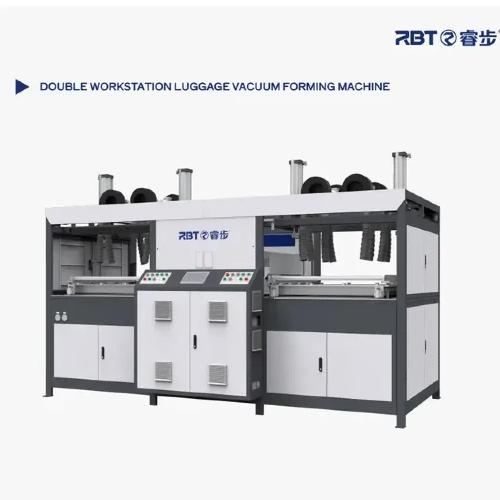
Vacuum Forming Machine: This machine plays a crucial role in shaping materials like polycarbonate and ABS into the external shell of the luggage. This process ensures that the shell is smooth, durable, and resistant to environmental damage.
Extruder Sheet Machine: Used to create the flat sheets of materials that are later molded into the final form. This machine ensures consistency in thickness and material properties, contributing to stronger luggage.
Table 1: Key Materials and Their Manufacturing Processes
Material | Characteristics | Manufacturing Process | Equipment Used |
Polycarbonate | Lightweight, impact-resistant | Vacuum forming and precision cutting | Vacuum Forming Machine, CNC Cutting Machine |
ABS Plastic | Tough, scratch-resistant | Vacuum forming and molding | Vacuum Forming Machine |
Aluminum | Strong, durable, resistant to wear | Extrusion and stamping | CNC Machines, Extruder Machines |
Proper handling and storage of your luggage can significantly extend its life. While high-quality luggage made with advanced machinery is built to last, improper treatment can still cause damage. Here are some tips for handling and storing your luggage to keep it in the best condition.
Avoid Rough Handling: Always handle your luggage gently, especially when placing it in the overhead compartment or on a conveyor belt. Avoid dragging it across rough surfaces, as this can lead to scratches and cracks.
Secure Zippers and Handles: Ensure zippers and handles are properly secured when handling your luggage. This helps avoid undue stress on these parts and prevents any damage to the mechanism.
Protect the Luggage Surface: If you’re traveling with soft luggage, use a luggage cover to protect it from dirt and rain. For hard-shell luggage, consider using a protective film or cover to shield it from scratches.
RBT Machinery’s Sewing Machines and CNC Precision Cutting Machines ensure that luggage components like handles, zippers, and internal fabrics are made to high standards, contributing to better performance and longevity.
Keeping your luggage clean not only helps maintain its appearance but also ensures it remains functional for years to come. Here’s how to clean your luggage effectively:
Hard Shell Luggage: Wipe it down with a damp cloth and a mild detergent. Avoid using abrasive cleaners or sponges that may scratch the surface.
Soft Luggage: Vacuum the surface to remove dirt and debris, then use a damp cloth with a mild detergent to clean it.
Empty the inside of the luggage and wipe it with a damp cloth.
For soft-sided luggage, you can use a fabric cleaner to treat stains or spills.
Wheels: Check for dirt and debris in the wheels. If they’re not rolling smoothly, clean them and lubricate the axles.
Handles: Ensure handles are properly aligned and check for any looseness.
Table 2: Luggage Cleaning and Maintenance Checklist
Part | Cleaning Method | Maintenance Tips |
Exterior | Damp cloth with mild detergent | Avoid abrasive materials, use protective covers |
Interior | Damp cloth or fabric cleaner | Keep it dry to avoid mold or mildew |
Wheels | Remove debris and lubricate | Regularly check for wear and tear |
Handles | Wipe with a cloth and ensure proper alignment | Tighten any loose screws or mechanisms |
Over time, your luggage may suffer from minor damage such as scratched surfaces, broken zippers, or misaligned wheels. Here are some DIY repairs you can try:
For light surface scratches on hard-shell luggage, use a polish specifically designed for the material of your luggage. This will help restore its smooth appearance.
If your zipper is stuck or broken, apply a small amount of lubricant or soap to the zipper track. If it’s completely damaged, you may need to replace the zipper.
If one of the wheels is broken or misaligned, it’s usually easy to replace with parts available from luggage repair shops. If the wheel has simply accumulated dirt, clean and lubricate it to restore smooth movement.
When you’re not using your luggage, it’s important to store it properly to keep it in top condition.
Avoid Storing in Direct Sunlight: Store your luggage in a cool, dry place to prevent the material from warping or fading.
Keep It Off the Floor: If possible, store your luggage off the floor to protect it from dust, moisture, and pests.
Use Luggage Covers: These can help prevent dust from accumulating on the surface of the luggage.
Luggage made with RBT Machinery’s advanced Vacuum Forming Machine is more resistant to environmental damage. This means that even when stored for long periods, your luggage will remain in excellent condition.
By following a few simple steps, you can ensure that your luggage lasts longer and continues to serve you well:
Protect your luggage from dust, scratches, and dirt with a luggage cover, especially when traveling to destinations where your luggage might get rough treatment.
Regularly inspect your luggage for any signs of wear and tear, such as broken zippers or cracks in the shell. The sooner you address small issues, the less likely they are to develop into larger problems.
Wheels are one of the most used parts of your luggage. Keep them clean, check for damage, and lubricate them to ensure they continue to roll smoothly.
Caring for your luggage is essential to extending its lifespan and ensuring it continues to serve you well. By following the tips provided in this article, you can keep your luggage in top condition and ready for any journey.
Modern luggage production, with the help of equipment like RBT Machinery's CNC Machines, Vacuum Forming Machines, and Sewing Machines, ensures that your luggage is built to withstand the wear and tear of travel. Proper care, regular maintenance, and using the right luggage will keep your bags looking and performing their best.
It’s recommended to clean your luggage every few months, or after each major trip, depending on how much it was used.
Yes, minor damage such as scratches or broken zippers can be repaired at home. For more serious issues, it's best to visit a professional repair shop.
Store your luggage in a cool, dry place, away from direct sunlight. If possible, keep it in a dust bag to prevent dust accumulation.
Polycarbonate, ABS, and aluminum are among the most durable materials used in luggage. Modern manufacturing techniques ensure that these materials are formed and processed efficiently for long-lasting performance.
RBT Machinery utilizes advanced machinery like Vacuum Forming Machines and CNC Cutting Machines, ensuring that luggage is manufactured with high precision, resulting in better durability and ease of maintenance.


