

Views: 0 Author: Site Editor Publish Time: 2026-03-19 Origin: Site
When it comes to producing high-quality luggage, many factors contribute to the final product's success. One of the most critical, often overlooked components is the suitcase mold. A suitcase mold determines the outer shell of the luggage, influencing its design, structure, material compatibility, and ultimately, its durability. This article delves into how suitcase molds impact the quality and durability of luggage, and why choosing the right mold is vital for manufacturers aiming to produce long-lasting travel products.
Understanding the influence of suitcase molds on luggage quality is essential for anyone involved in the manufacturing or purchasing process. This guide provides a comprehensive overview of how these molds are created, the technologies behind them, and the relationship between mold design and luggage performance.
A suitcase mold is a tool used in the manufacturing process to shape and form luggage shells. It is an integral part of the production line, particularly for hard-shell luggage, where molds are used to form the outer case from various materials such as polycarbonate, ABS, or polypropylene.
There are several types of molds used in luggage manufacturing, each playing a distinct role in shaping the suitcase. These molds are generally divided into two main categories:
Injection Molds: These molds are used to create plastic suitcase shells. The material is injected into the mold under high pressure, ensuring that the mold’s design and shape are transferred precisely to the material.
Vacuum Molds: These molds are used primarily for thermoforming. A plastic sheet is heated until it is soft, and then a vacuum is used to pull the material over the mold to form the suitcase shell.
The quality of these molds is crucial as they directly affect the final product’s appearance and performance. A well-designed mold ensures a high-quality finish, while a poorly designed mold can result in defects and reduced product durability.
The process of creating a suitcase mold involves several stages, including design, material selection, CNC machining, and testing. It requires precision and high levels of craftsmanship to create molds that can produce consistent, durable results.
Molds are responsible for defining the shape and structural design of the suitcase. The outer case of luggage is typically the first thing that is noticed, making its design an important factor in consumer appeal. The suitcase mold impacts:
Aesthetic Appeal: The mold determines the external appearance of the luggage, including its curves, lines, and overall shape.
Functional Design: Molds play a critical role in creating compartments and structural features, like reinforced corners, handles, and zippers. This adds to the usability and user-friendliness of the luggage.
Ergonomics: The mold ensures that the suitcase’s shape is not only visually appealing but also functional in terms of handling, weight distribution, and maneuverability.
By using advanced suitcase molds, manufacturers can design luggage that is not only aesthetically pleasing but also highly functional, meeting the demands of travelers for both form and function.
The material used in the production of luggage shells can vary significantly. Some of the most common materials used for hard-shell suitcases include:
Polycarbonate: A lightweight, durable material that offers excellent impact resistance.
ABS: A cost-effective thermoplastic that is also lightweight and offers good impact resistance.
Polypropylene: A highly durable material known for its flexibility and resilience.
Each of these materials requires different molding processes, and the compatibility between the material and the mold is crucial for ensuring the final product’s quality.
Material | Suitcase Mold Type | Benefits | Durability Impact |
Polycarbonate | Injection Mold | High impact resistance, scratch-resistant surface | Excellent durability and impact resistance |
ABS | Injection Mold / Vacuum Mold | Cost-effective, lightweight, good scratch resistance | Good for budget-friendly, moderate durability |
Polypropylene | Vacuum Mold | Flexible, lightweight, great for frequent travelers | Flexible and durable, long-lasting use |
The suitcase mold must be designed with the specific material in mind to ensure that it molds properly and maintains the material’s strength and flexibility. For example, polycarbonate requires higher pressure during molding, while polypropylene requires more precise temperature control. If the mold is not properly designed for the material, the suitcase may not have the desired durability or strength.
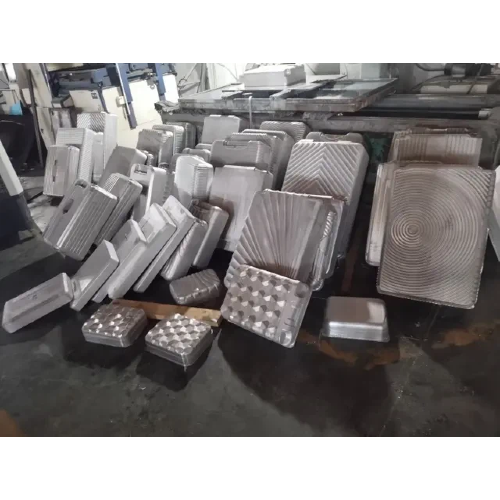
The primary function of a suitcase mold is to create a strong and durable suitcase shell. A well-designed mold ensures that the suitcase is resistant to impacts, scratches, and pressure, which are inevitable during travel. Here’s how precision in mold design enhances durability:
Uniformity of Material Distribution: A well-made mold ensures that the material is evenly distributed, providing strength and preventing weak spots in the luggage.
Impact Resistance: The mold design influences how the material behaves under pressure. For instance, hard-shell suitcases made with precision molds tend to be more resistant to crushing or impact damage.
Crack Resistance: Molds with precise designs prevent cracks and fractures by controlling the way the material is shaped, leading to fewer defects over time.
Uniformity in mold design ensures that each suitcase produced is of consistent quality. Variations in the mold can lead to inconsistencies in the luggage shell, which may result in weaker spots that are more prone to damage. This is why suitcase molds must be regularly checked and tested to maintain consistent quality standards.
Quality control is a critical part of the mold-making process. Molds must be carefully inspected before use to ensure that they meet all quality standards. This includes checking the mold for imperfections, ensuring it’s the right temperature, and testing it with different materials.
The quality control process ensures that each suitcase produced from the mold meets the required standards for durability, strength, and functionality. Without rigorous quality control, defects could compromise the integrity of the luggage.
Advancements in technology, such as CNC machining and 3D printing, have greatly improved the precision and efficiency of suitcase mold creation.
CNC Machining: Computer Numerical Control (CNC) machines allow for ultra-precise mold creation, ensuring that each mold is identical and flawless. This reduces the chances of errors during production and improves the overall consistency of the final product.
3D Printing: 3D printing has revolutionized the way molds can be designed and tested. Designers can create prototypes quickly and make adjustments before manufacturing the final mold, saving time and money.
These technological advancements allow manufacturers to create suitcase molds with higher precision, enhancing the overall quality and durability of luggage.
The suitcase mold is an essential element in crafting high-quality luggage. It not only shapes the design but also plays a critical role in determining the overall durability of the final product. A well-designed mold ensures that the suitcase meets the durability and functional standards that consumers expect. As the luggage industry continues to evolve, manufacturers are increasingly investing in advanced mold-making technologies, which in turn enhances the strength and performance of luggage.
At RBT Machinery, we specialize in providing state-of-the-art suitcase molds that help manufacturers produce premium luggage. Our expertise in mold design and production ensures that your products achieve both exceptional quality and long-lasting durability. By choosing us as your partner, you’ll benefit from our advanced technologies, consistent quality control, and customized solutions tailored to your specific needs.
If you’re looking to elevate your luggage production process and create top-tier products that stand the test of time, we invite you to contact us. Let us help you improve your manufacturing efficiency and the quality of your luggage with our superior suitcase mold solutions.
1. What is the role of suitcase molds in luggage production?
Suitcase molds define the shape and structure of luggage. They are responsible for ensuring the correct material is used, and that the final product is durable, functional, and aesthetically appealing.
2. How do suitcase molds affect luggage durability?
The precision and quality of the suitcase mold directly affect the suitcase's impact resistance, strength, and resistance to wear and tear. A high-quality mold ensures consistent material distribution, contributing to enhanced durability.
3. Why is material compatibility important in suitcase molding?
Different materials require different molding processes to achieve the desired balance of flexibility and strength. Proper material compatibility ensures that the luggage performs well in terms of durability and impact resistance.
4. What technological advances have improved suitcase mold production?
Technologies like CNC machining and 3D printing have improved the accuracy and efficiency of suitcase molds, enabling manufacturers to create highly precise molds that contribute to better overall luggage quality and performance.
5. How does mold design influence luggage functionality?
Mold design directly impacts the luggage’s ergonomics, compartment layout, and overall usability. A well-designed mold allows for more optimized interior spaces and better handling during travel.


