

Views: 0 Author: Site Editor Publish Time: 2026-03-09 Origin: Site
Are hard shell suitcases really better than soft ones? Many travelers ask this when shopping for new suitcases. The answer is not simple. It depends on how we travel, what we pack, and what features matter most to us.
Some people want strong protection for fragile items. Others prefer flexible packing and extra pockets. Hard shell suitcases are known for durability and security, while soft-sided suitcases offer expandability and convenience.
In this article, we will explore the pros and cons of hard shell suitcases. You will learn how they compare to soft luggage and which type of suitcases best fits your travel style.
To answer whether hard shell suitcases are better, we must evaluate them in real-world travel conditions.
Protection is the biggest reason people choose hard shell suitcases.
Airports are rough environments. Bags get stacked. They drop from conveyor belts. They slide through cargo holds. Pressure and impact are unavoidable.
Hard shell suitcases are typically made from:
● Polycarbonate
● Polypropylene
● ABS plastic
● Aluminum
These rigid materials distribute impact across the surface instead of concentrating it in one area. That reduces the chance of crushing fragile items inside.
They are especially useful when carrying:
● Laptops and tablets
● Cameras
● Glass souvenirs
● Cosmetics and liquids
● Business equipment
Modern polycarbonate shells are designed to flex slightly under pressure. Instead of cracking, they absorb and redistribute force. This flexible durability makes them ideal for frequent flyers.
Soft-sided suitcases can protect clothing well, but they do not provide the same structural defense against heavy stacking.
If your travel involves flights or valuable items, protection becomes a deciding factor.
Security is another strong advantage of hard shell suitcases.
Most models include built-in TSA-approved locks. These integrated systems:
● Eliminate the need for external padlocks
● Reduce tampering risks
● Simplify airport inspections
Fabric luggage can be cut open more easily. Hard shells resist slashing attempts. Aluminum models go even further, often featuring latch-based closures instead of traditional zippers.
For business travelers carrying confidential documents or electronics, this extra protection matters.
Security is not only about theft. It is also about preventing accidental zipper failure under pressure.
Weather can change quickly. Rain during boarding, snow on the runway, or accidental spills all create risk.
Hard shell suitcases resist moisture more effectively than fabric luggage. Their non-porous surface prevents water absorption. Even if they get wet, we can wipe them clean in seconds.
Soft fabric may absorb moisture. Over time, it can retain odors or stains.
For winter travel, outdoor adventures, or unpredictable climates, this difference becomes noticeable.
Hard shells also maintain a cleaner appearance in urban travel environments.
Most hard shell suitcases use a clamshell design that splits into two equal halves.
This design:
● Divides packing into two compartments
● Uses compression straps
● Includes zippered mesh panels
● Distributes weight evenly
It encourages organized packing. Clothes stay separated. Accessories remain contained. Items shift less during transit.
However, it requires more horizontal space when opened. In small hotel rooms, that can feel inconvenient.
Soft-sided luggage opens from the top, requiring less floor space. But it may allow uneven weight distribution.
If you value order and symmetry, hard shell suitcases support that preference.
Not all hard shell suitcases weigh the same. Material choice matters.
Here is a simplified comparison:
Material | Weight Level | Durability | Flexibility | Price Range |
ABS | Light | Moderate | Low | Budget |
Polypropylene | Light | Good | Medium | Mid-range |
Polycarbonate | Light-Medium | Very High | High | Mid-High |
Aluminum | Heavy | Extremely High | Low | Premium |
Polycarbonate often offers the best balance. It remains strong yet manageable in airline weight limits.
Aluminum delivers maximum protection but adds noticeable weight. That may matter for strict baggage policies.
Weight concerns are less significant today than in the past, thanks to advances in material science.
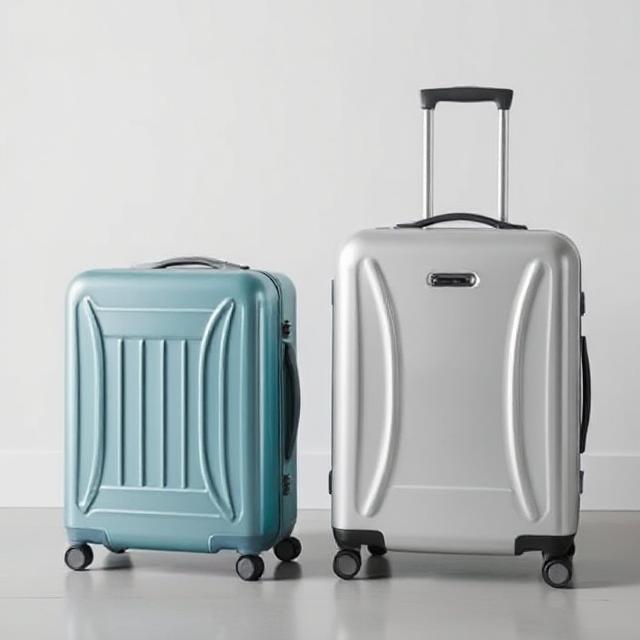
Hard shell suitcases perform well when:
● You check luggage frequently
● You fly internationally
● You carry fragile or expensive items
● You travel through busy airports
Airline baggage handling can be unpredictable. Hard shells resist compression and protect contents under stacking pressure.
Frequent flyers often choose them for peace of mind.
Soft-sided suitcases excel in flexibility.
They allow:
● Expandable zippers
● Stretchable edges
● External quick-access pockets
● Easier compression into tight car trunks
If you shop during trips or overpack, soft luggage may adapt better.
Hard shell suitcases maintain shape. They do not expand significantly. That limits last-minute additions.
Feature | Hard Shell Suitcases | Soft-Sided Suitcases |
Impact Protection | High | Moderate |
Water Resistance | Strong | Moderate |
Expandability | Limited | High |
External Storage Pockets | Rare | Common |
Surface Cleaning | Easy | Moderate |
This comparison clarifies trade-offs. Neither design wins every category. It depends on priorities.
The improvement in hard shell suitcases over the past decade is not accidental. It results from smarter manufacturing processes and tighter production control. Instead of basic molding methods, modern factories use integrated forming and automation systems to improve strength, precision, and overall reliability.
Below is a simplified overview of the key technologies behind modern hard shell suitcase production:
Technology | Main Function | Core Benefit for Suitcases |
Sheet Extrusion | Forms plastic sheets | Keeps shell thickness consistent |
Thermoforming | Shapes heated sheets | Builds strong, rigid structure |
Temperature Control | Manages heating process | Reduces cracking and warping |
CNC Optimization | Precision trimming | Improves structural accuracy |
Intelligent Production Line | Automates manufacturing | Ensures stable product quality |
These systems improve shell consistency and reduce structural defects.
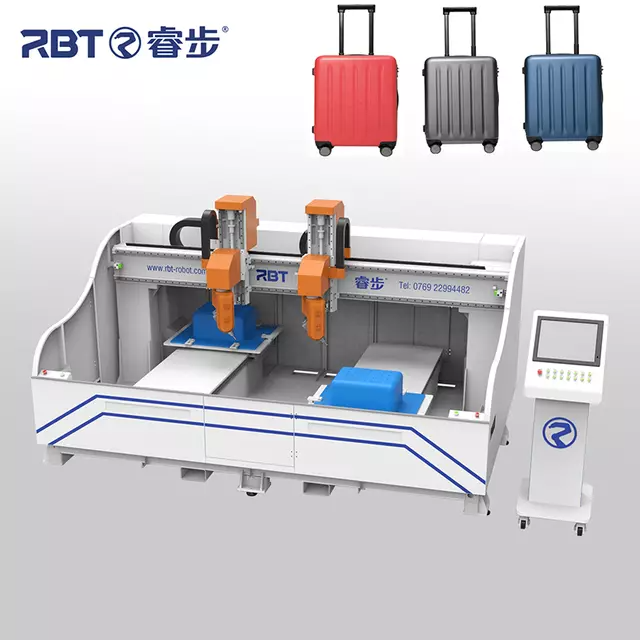
Companies such as RBT Machinery, with over 25 years of experience in luggage production equipment, have played an important role in advancing intelligent manufacturing within the industry. Through partnerships with globally recognized luggage brands, they have helped refine automated shell forming and thermal management systems.
Better machinery leads to:
● Uniform shell thickness
● Improved impact resistance
● Reduced cracking risk
● Higher long-term durability
This evolution explains why today’s hard shell suitcases are lighter and stronger than earlier generations.
Hard shell suitcases are often the better option if you:
● Travel by air several times per year
● Carry electronics or delicate equipment
● Check luggage regularly
● Visit wet or snowy destinations
● Prefer a sleek, professional appearance
They offer durability, structural reliability, and modern design appeal.
Manufacturers increasingly rely on intelligent systems like those developed by RBT Machinery, a CE and ISO-certified equipment provider, to maintain global production standards. Consistent shell quality directly impacts product performance in the field.
Shell manufacturing precision influences impact performance more than visual design; production quality is critical for long-term durability.
Soft-sided suitcases are not inferior. They simply serve different travel needs. In certain situations, their flexibility and accessibility make them a more practical choice than hard shell models. If your trips focus on convenience and adaptability rather than maximum impact protection, soft luggage may fit better.
Below is a simplified breakdown of when soft-sided suitcases may be the better option:
Travel Situation | Why Soft-Sided Suitcases Work Well |
Need quick-access front pockets | Exterior compartments allow easy access to documents and essentials |
Returning with extra purchases | Expandable fabric panels offer added packing space |
Traveling mostly by car or train | Flexible sides compress into tight storage areas |
Prefer lighter upfront pricing | Fabric models are often more budget-friendly |
They provide flexibility and convenient organization, especially for casual or short-distance travel. However, compared to hard shell suitcases, they offer less structural defense against heavy impact and stacking pressure during air transport.
Material determines how the suitcase handles impact over time. High-grade polycarbonate remains one of the best options because it balances flexibility and strength. It flexes slightly under pressure, which helps absorb shock during baggage handling.
Avoid ultra-thin shells that focus only on reducing weight. Extremely thin ABS may feel light in-store, but it can crack more easily under repeated stress. When we press gently on the shell surface, it should feel firm yet slightly responsive—not brittle.
Wheels directly affect travel comfort. Dual spinner wheels offer better balance and smoother movement across airport floors. They reduce wrist strain because we can roll the suitcase upright beside us instead of dragging it behind.
Look for wheels that rotate quietly and feel stable when turning sharply. Loose or narrow wheels may wobble after repeated use, especially during long connections.
An integrated TSA-approved lock simplifies airport security checks. It removes the need for separate padlocks and keeps the design streamlined. A well-built locking system should feel solid when closing and unlocking.
We should test the mechanism in-store if possible. It should engage smoothly without sticking. A weak lock often becomes the first failure point.
The telescopic handle supports most pulling force during travel. It should extend smoothly and lock firmly into place. Excessive wobbling signals weak internal reinforcement.
Grip comfort also matters. A well-designed handle reduces hand fatigue during long walks through terminals.
Manufacturing quality often determines long-term performance. Suitcases produced using advanced thermoforming and automated surface control systems demonstrate greater structural consistency across batches.
Intelligent equipment solutions, such as those developed by RBT Machinery, support precise shell forming and uniform material thickness. That consistency reduces structural weak points and improves overall durability. When brands invest in certified production systems, it typically reflects in product reliability.
Hard shell suitcases deliver strong impact protection and high water resistance. They offer better security and structured packing, especially for air travel. Soft-sided suitcases provide greater expandability and easier access, which suits flexible trips.
The better choice depends on how we travel. Frequent flyers and those carrying electronics often prefer hard shell models. Brands supported by RBT Machinery benefit from advanced manufacturing systems, which improve shell consistency and durability. Their intelligent equipment helps luggage makers create reliable products that deliver long-term value.
A: Hard shell suitcases are often better for air travel because they offer stronger impact protection and better water resistance. They hold their shape during baggage handling and protect fragile items more effectively than soft-sided suitcases.
A: Most hard shell suitcases are made from polycarbonate, polypropylene, ABS plastic, or aluminum. These materials provide structure and durability, with polycarbonate offering one of the best balances between strength and weight.
A: Some travelers prefer soft-sided suitcases because they are expandable and often include external pockets. They allow more flexible packing, especially for road trips or when bringing home extra items.
A: Yes, many hard shell suitcases include built-in TSA-approved locks and reinforced shells. They are generally harder to cut open than fabric suitcases, which adds an extra layer of security during travel.
A: Modern hard shell suitcases made from high-quality polycarbonate are designed to flex under pressure rather than crack. However, very thin or low-grade materials may be less durable over time.
A: Hard shell suitcases can be slightly more expensive due to material and manufacturing processes. However, their durability and long-term performance often provide better value for frequent travelers.


